
Project

When you click the thumbnail, to enlarge.
Gallery's Picks for the Month(Art Front Selection: Summer 2025)
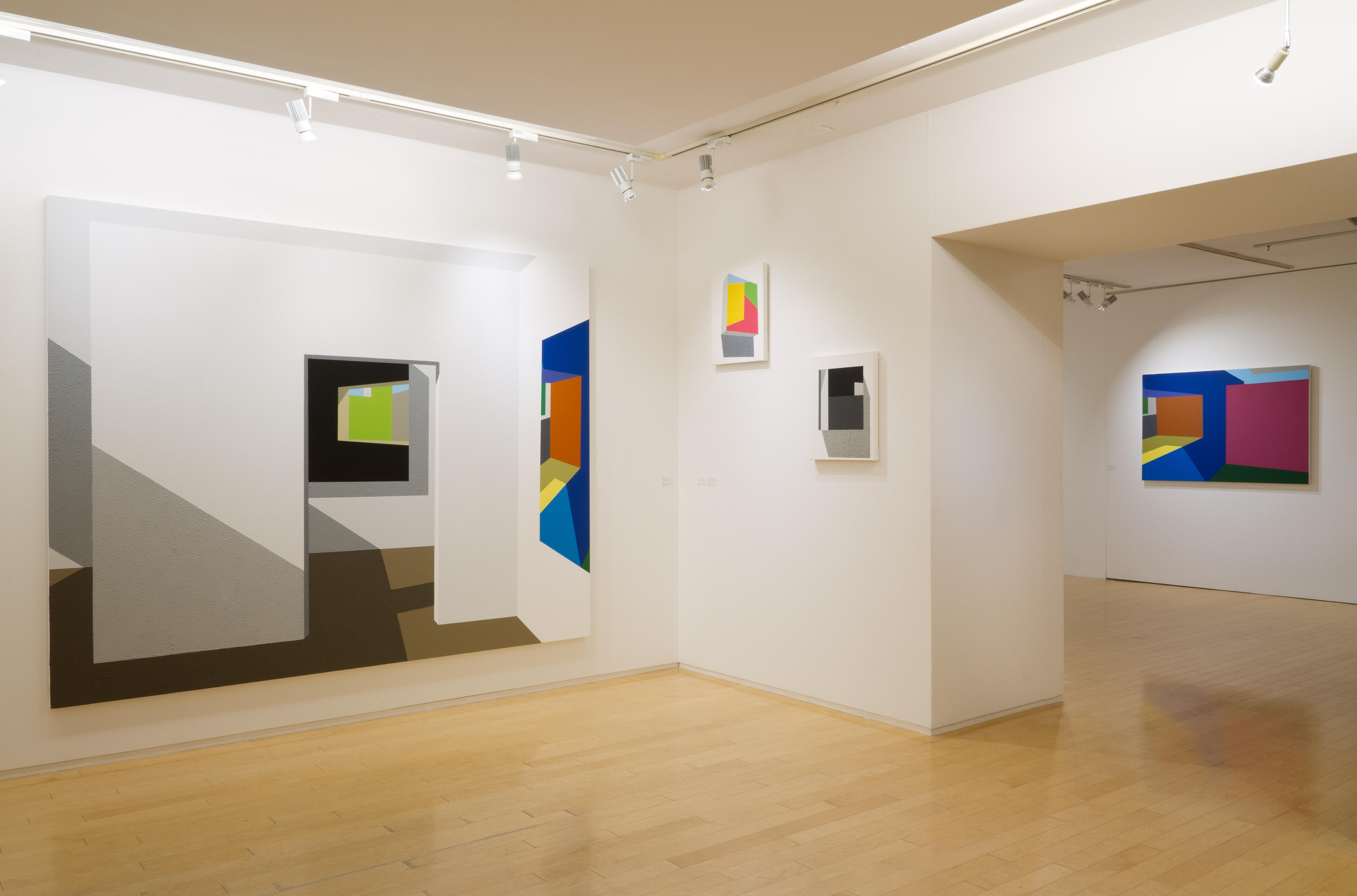
In this edition of Gallery's Picks, we are pleased to introduce artworks featured in the upcoming group exhibition "Art Front Selection: Summer 2025", which will be held at Art Front Gallery starting June 13.
Room 1 will showcase works by Eko Nugroho, while Room 2 will present a selection of pieces exploring the theme of "layer." We invite you to take a closer look and enjoy this curated exhibition.
Art Front Selection: Summer 2025
@Art Front Gallery / Tokyo
■Period: June 13, 2025 (Fri) ~ June 29 (Sun)
■Opening hours: Wed ~ Fri 12:00~19:00 / Sat & Sun 11:00~17:00 (Mon & Tue: closed)
■Venue: Art Front Gallery
website
Included in the show is ”Future Fungus #2", a wearable sculptural piece being exhibited in Tokyo for the first time. This interactive installation invites visitors to step inside and experience the artwork from within.
In addition, paintings and embroidered pieces will also be on view.
Exhibiting artists:
Alfredo & Isabel Aquilizan, Teppei Kaneuji, Yukinori Yanagi, Iku Harada, Naoto Fuchigami, Takanao Kaneko, Kazuto Imura.
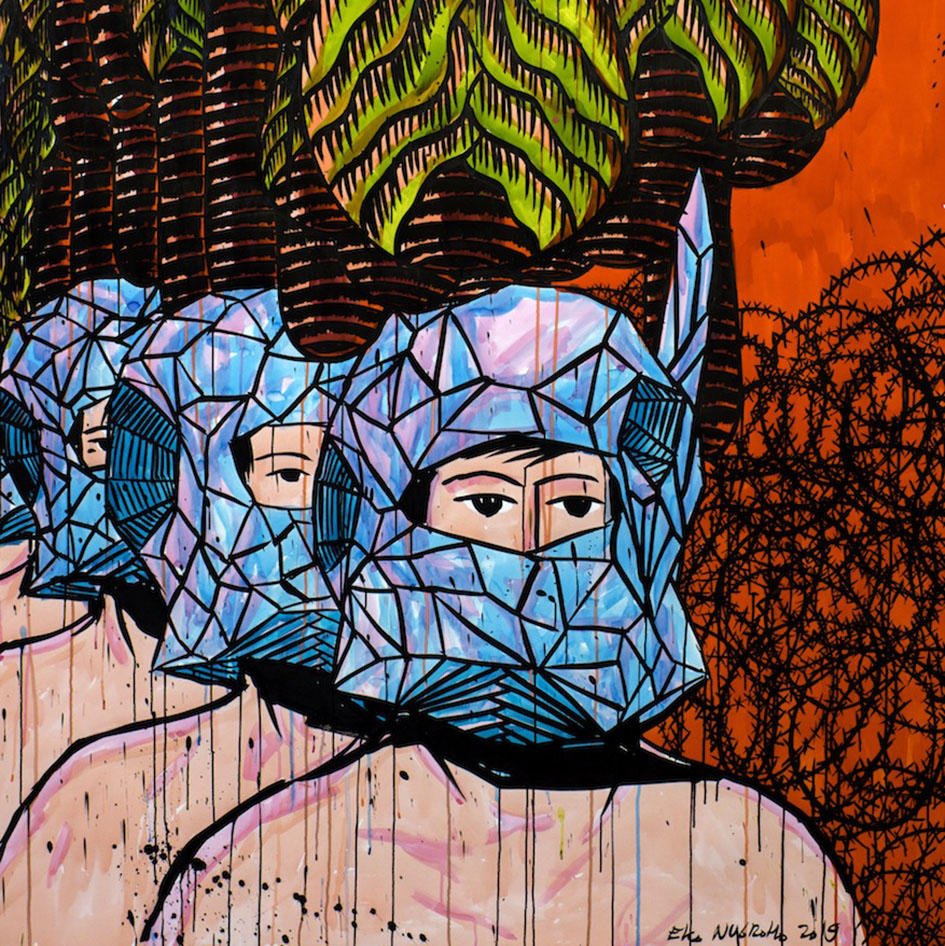
Eko Nugroho
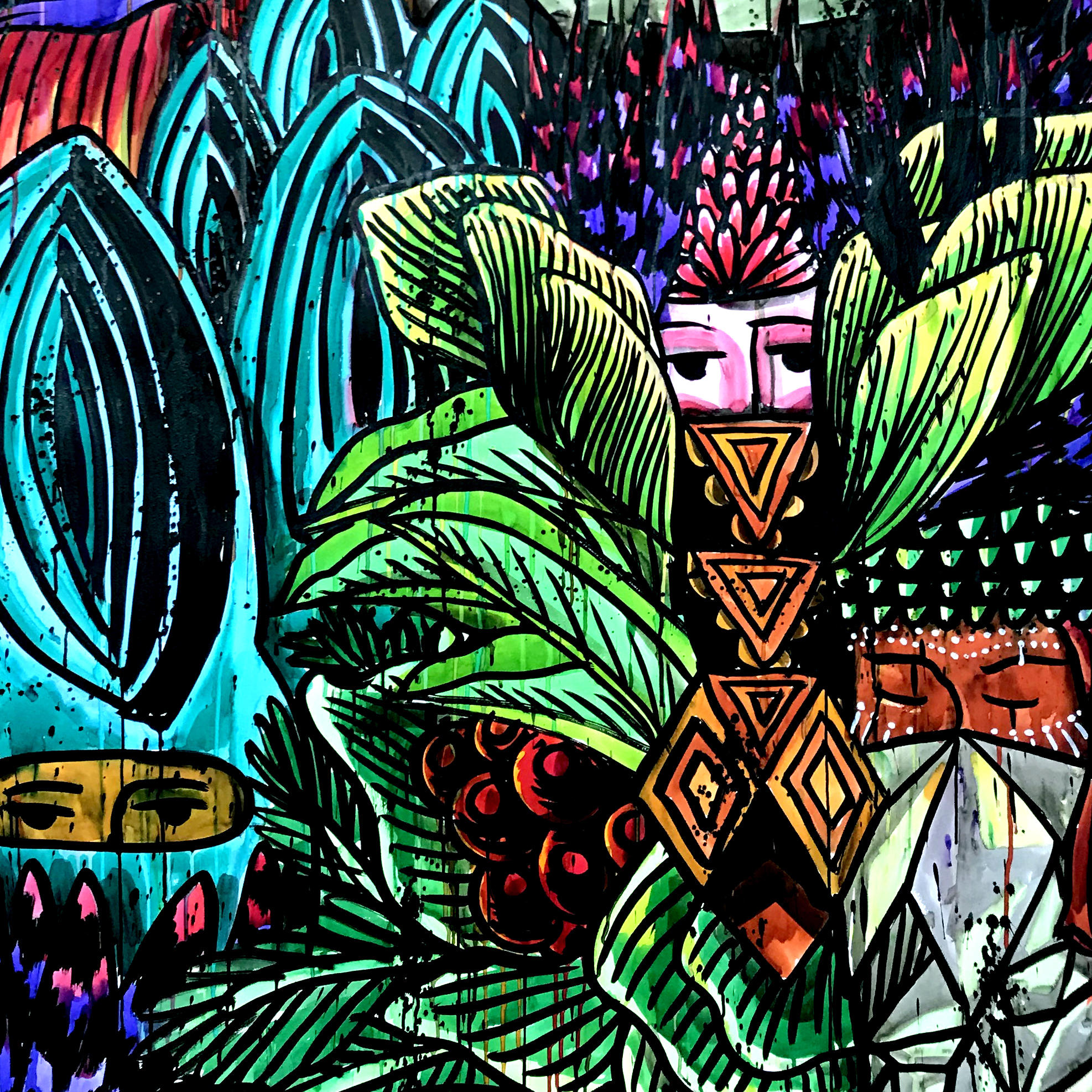
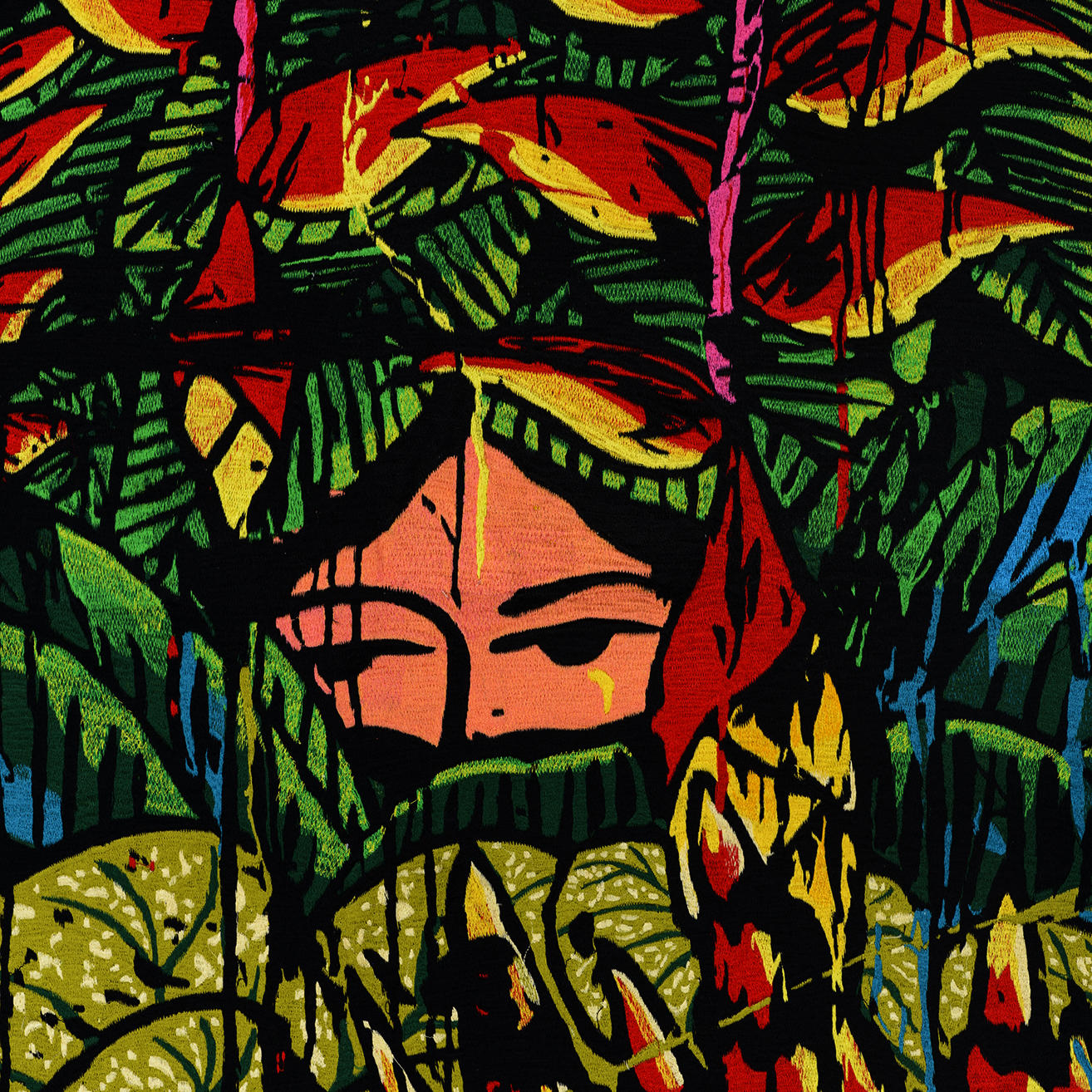
Eko Nugroho is one of Indonesia's leading contemporary artists, with a dynamic international presence spanning Asia, Europe, and the United States. Born in Yogyakarta in 1977, he began building his career in the late 1990s while studying at the Indonesian Art Institute.
He belongs to the "Reformasi" generation—those who experienced the fall of the Suharto regime and Indonesia's transition to democracy following the 1997 Asian financial crisis. Embracing the newfound freedom of expression that emerged during this period, Eko has consistently produced work that reflects his deep awareness of political and social issues.
Nugroho’s works, created in Yogyakarta—the artistic hub of Java—are rooted in two key elements: traditional Indonesian culture and references to contemporary pop culture. His works draw inspiration from batik and embroidery traditions as well as from street art, comics, and Japanese tokusatsu (special effects media). His works across a wide range of media, including drawing, painting, murals, sculpture, animation, and tapestry. In 2013, he represented Indonesia at the 55th Venice Biennale, earning significant international acclaim.
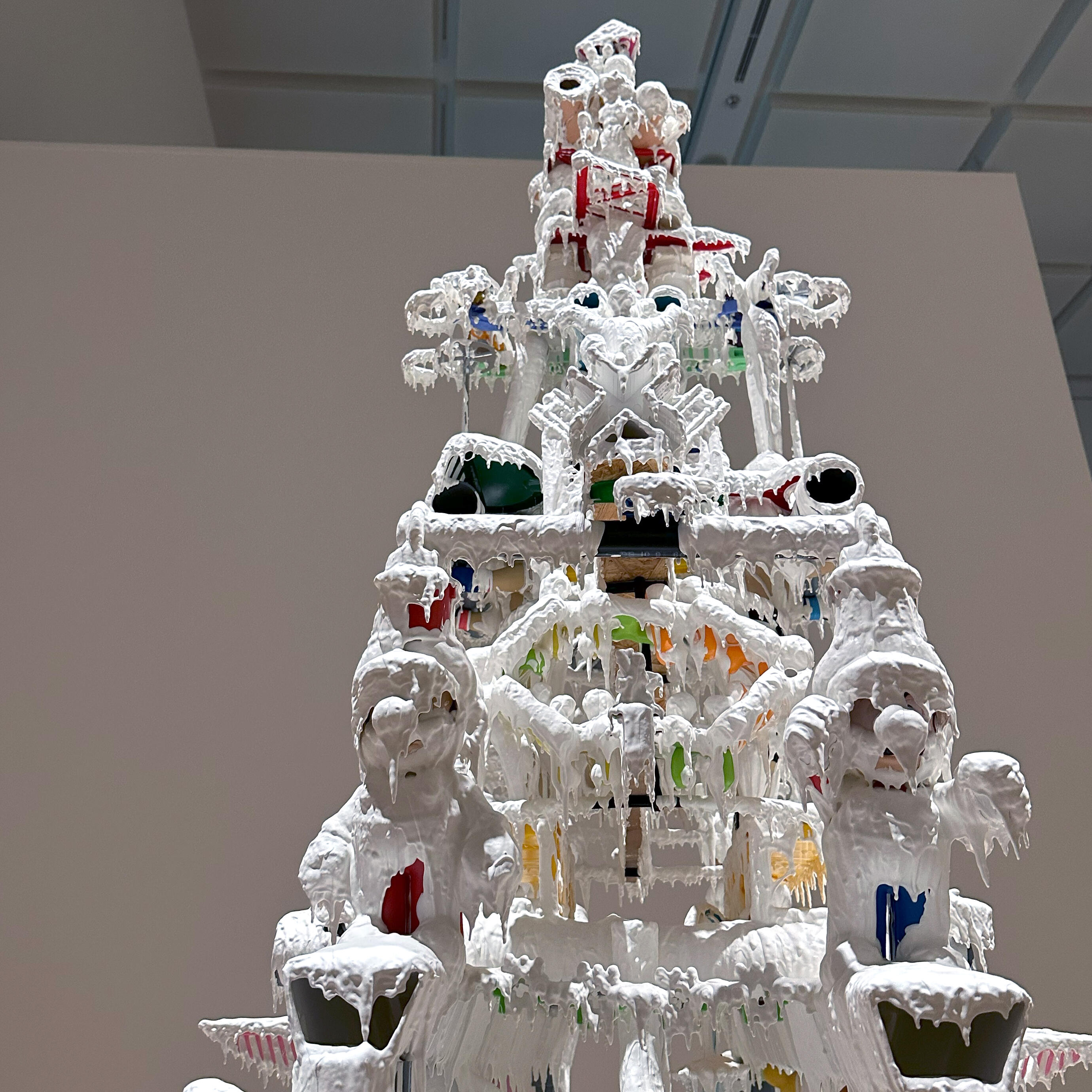
For Art Front Selection: Summer 2025, we are pleased to present "Future Fungus #2," on view in Tokyo for the first time. Exhibited in the “AFAF Feature” section of ART FAIR ASIA FUKUOKA 2024, the work received strong praise.
"Future Fungus #2" is created from repurposed plastic materials such as discarded bottles, hoses, and pipes. With its vivid colors and exotic visual appeal, the work conceals its origins as waste plastic at first glance.
Moreover, it is an interactive piece completed through audience participation. Visitors are invited to enter the suspended structure, transforming the installation into a living experience.


Eko Nugroho《Future Fungus #2》2020 / 1300 x 1100 x 1100 mm / Resin, recycled plastic, iron, acrylic paint
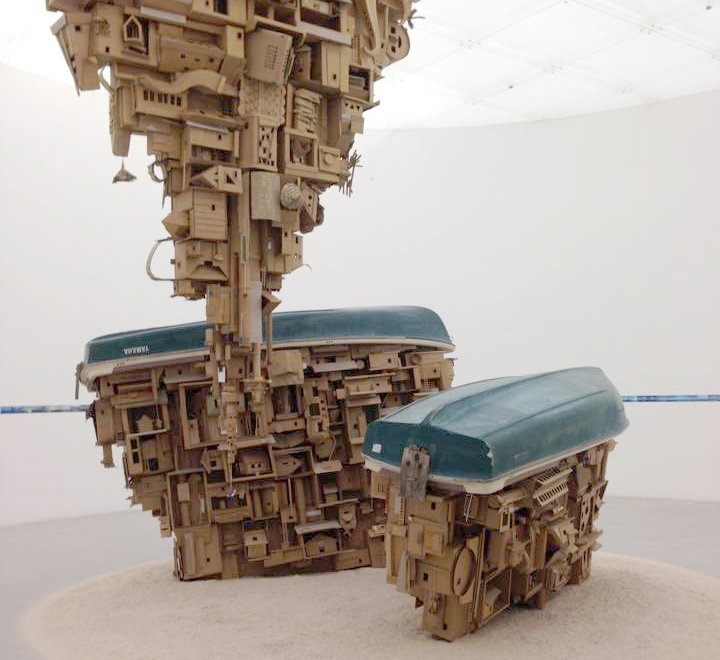
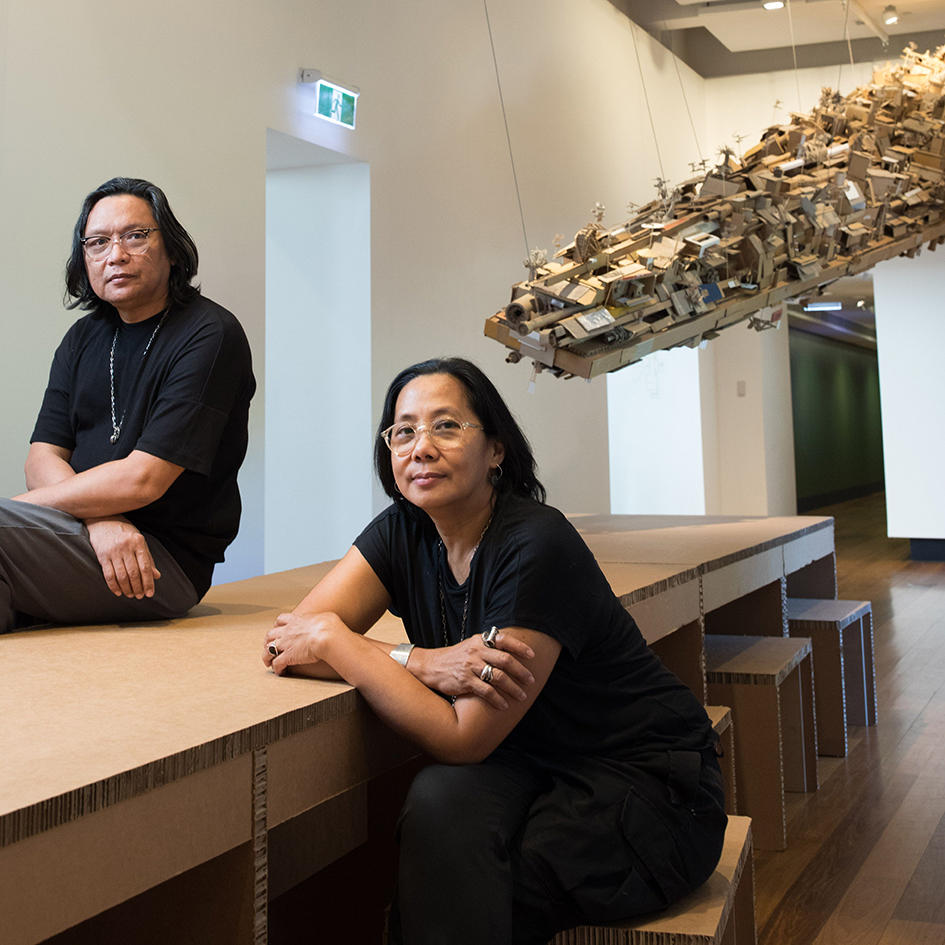
Alfredo&Isabel Aquilizan
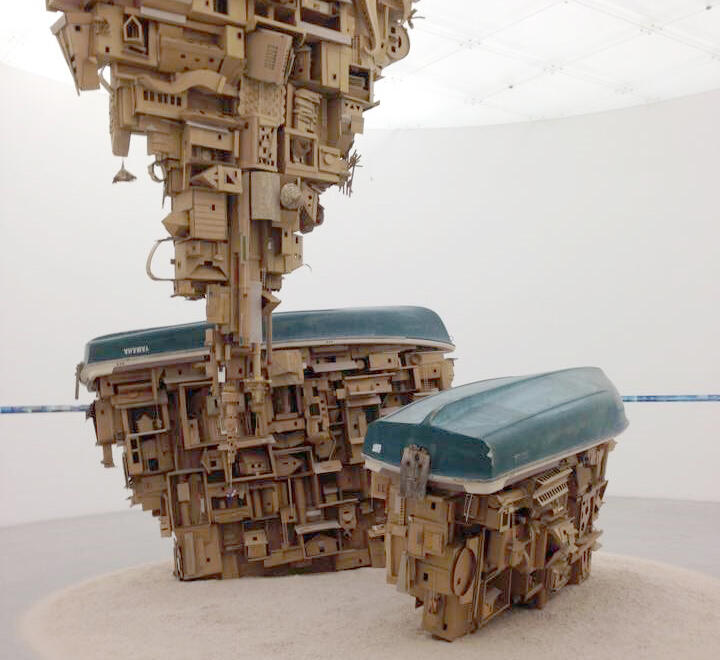
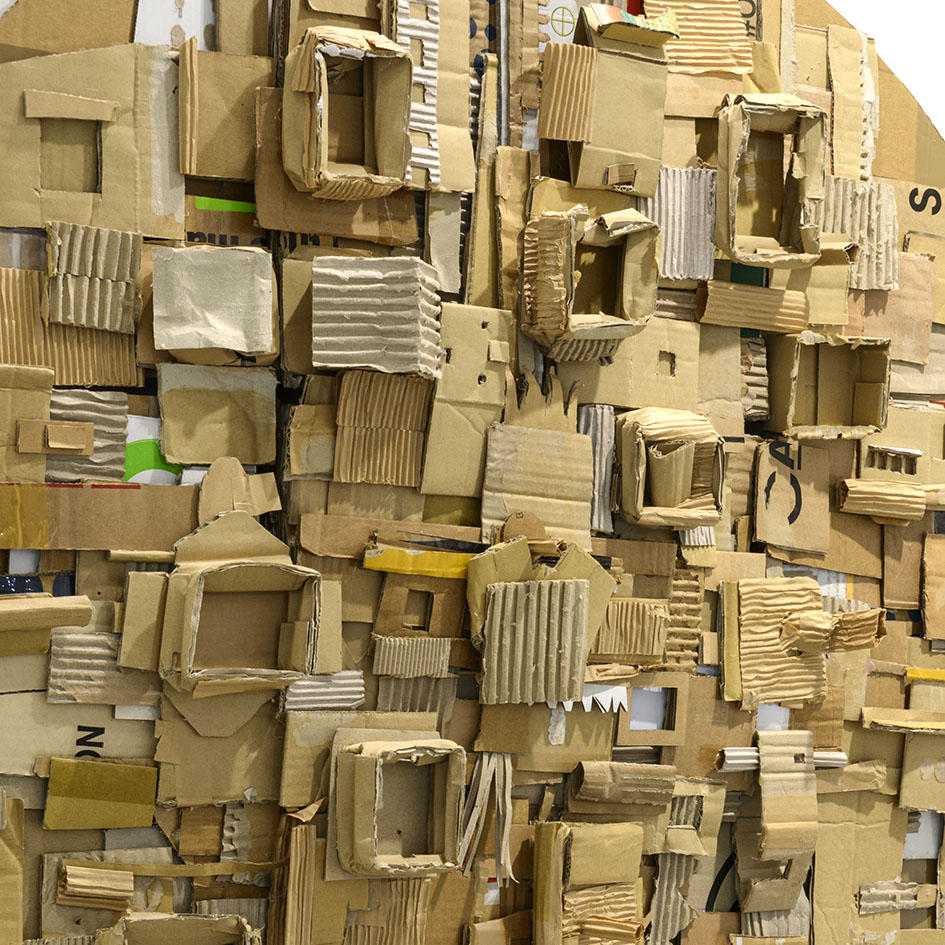
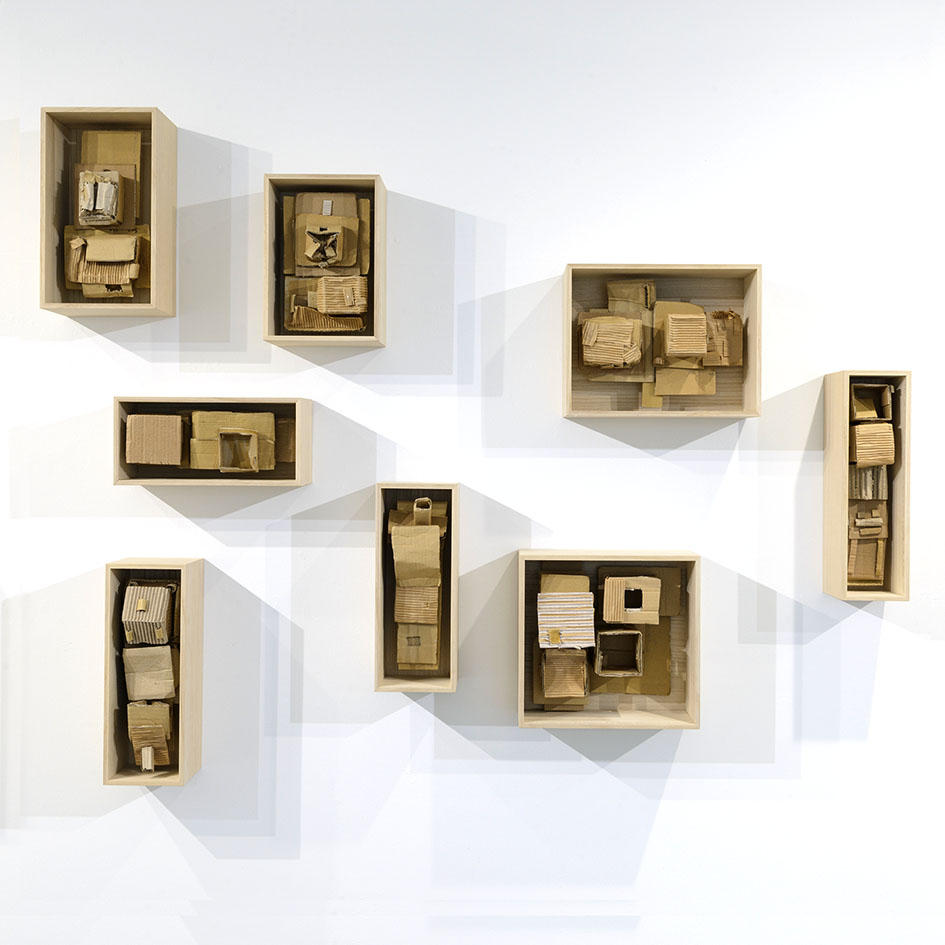
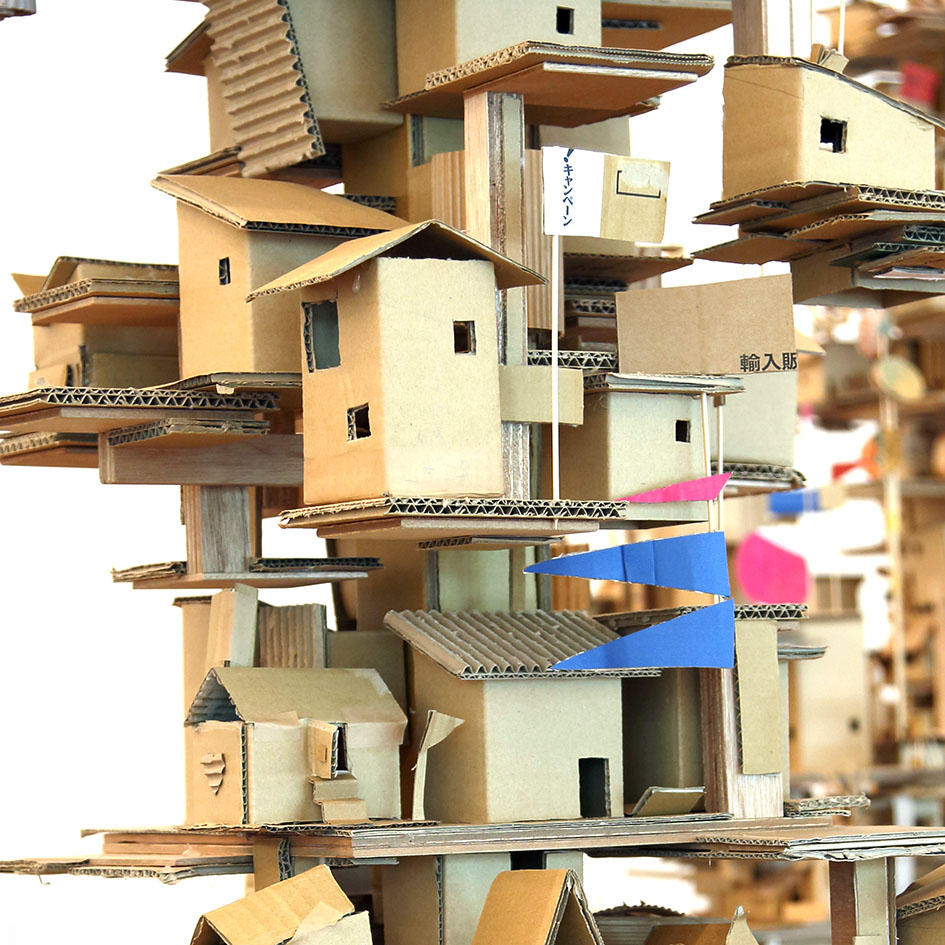
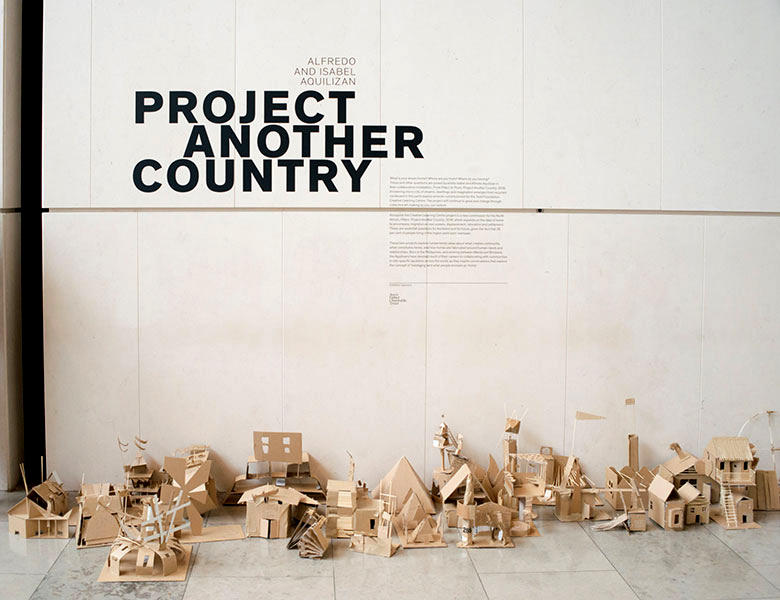
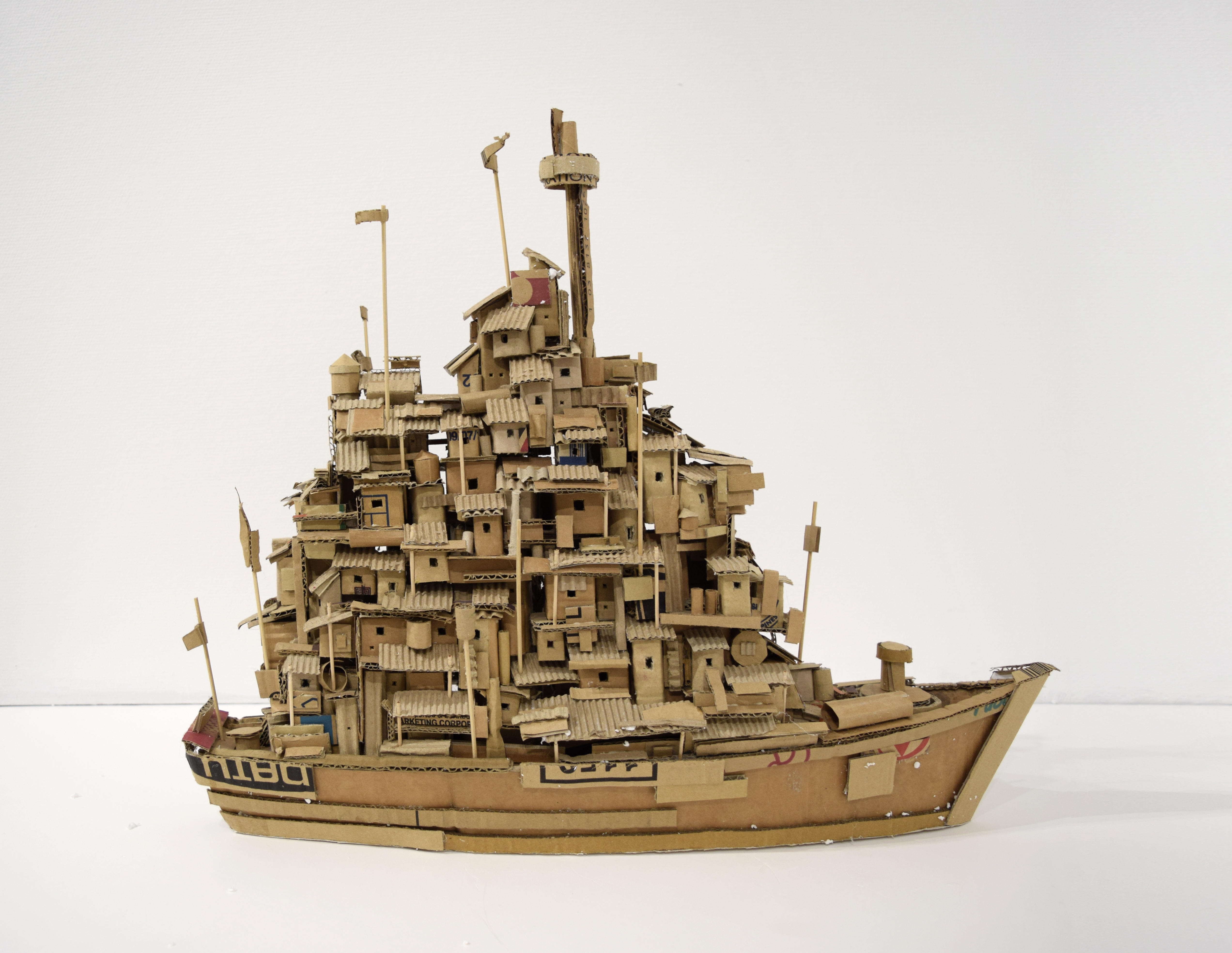
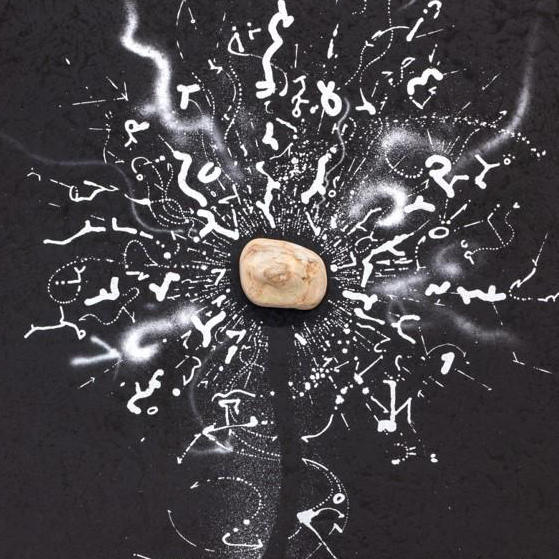
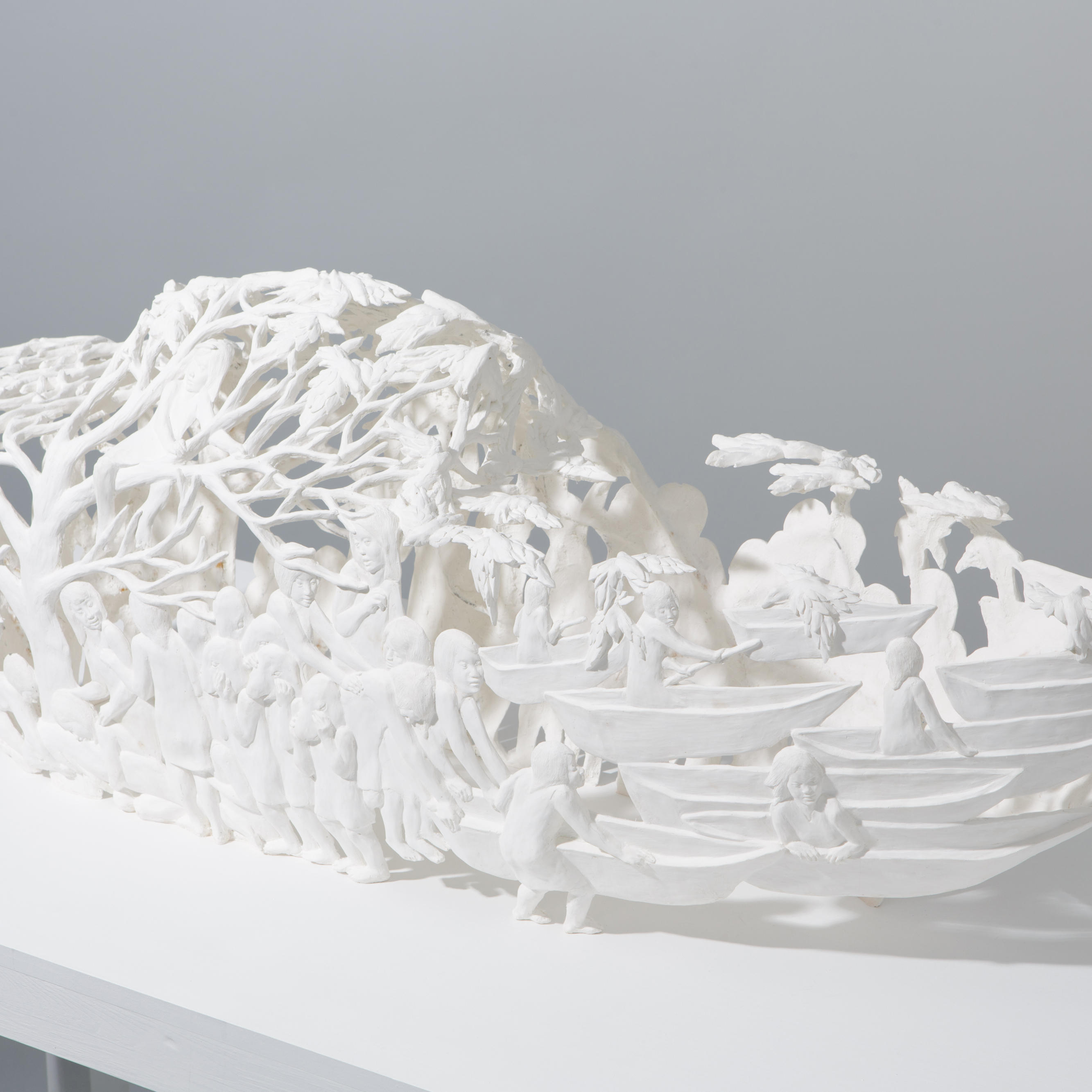
Alfredo & Isabel Aquilizan are a husband-and-wife artist duo whose practice centers on themes of family, memory, and migration. Their collaborative work is deeply rooted in their daily life and family experiences with their five children, often involving the collection and reconfiguration of everyday objects and discarded materials into large-scale installations.
Originally from the Philippines and now based in Australia, they have exhibited internationally, including participation in the 56th Venice Biennale in 2015. Their art explores the relationship between the personal and the collective, and between the domestic and the social, often through collaborations with local communities and reflections on their own experiences as migrants.
Today, they continue to work together as a family under the name Fruit Juice Factory Studio, creating works that bridge individual lives and broader cultural narratives.

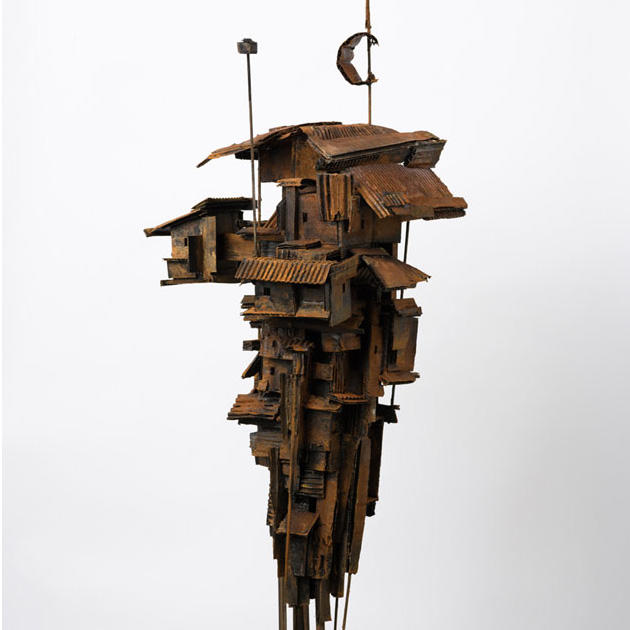
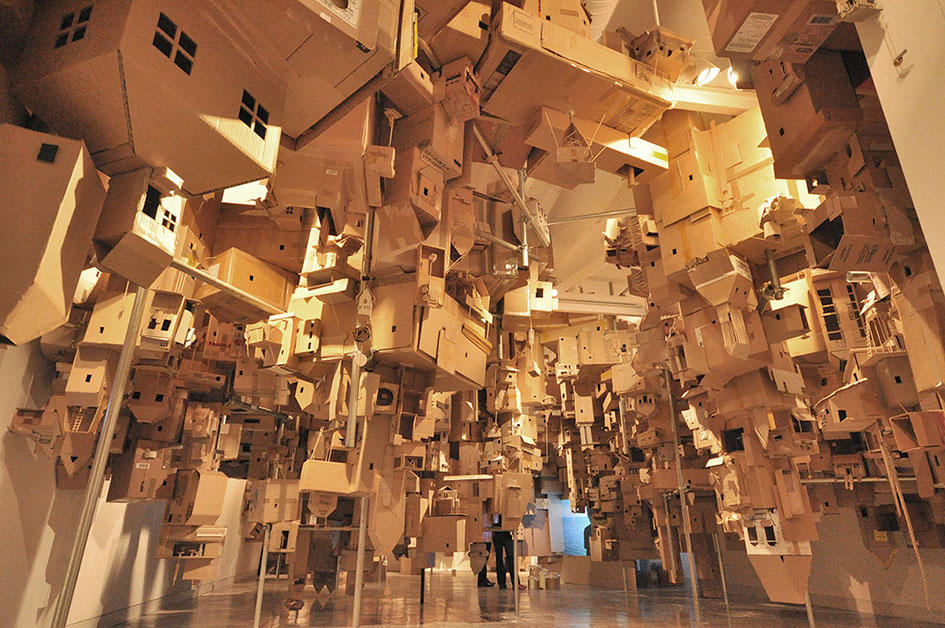
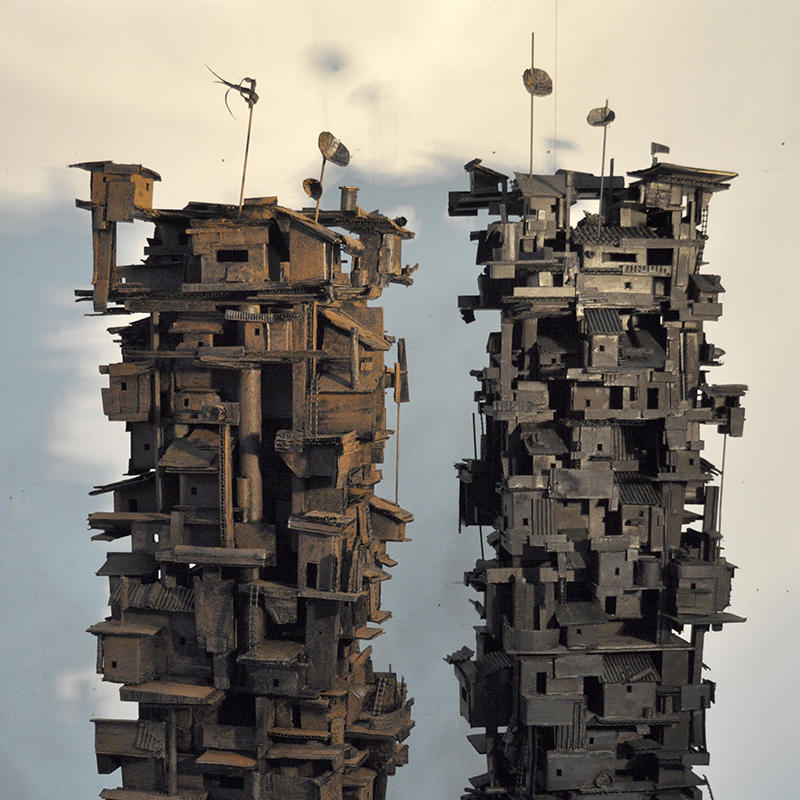
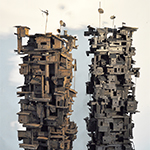
Alfredo&Isabel Aquilizan《In_habit_Black》2014 / 2400 x 430 x 420 mm / paper, metallic paint
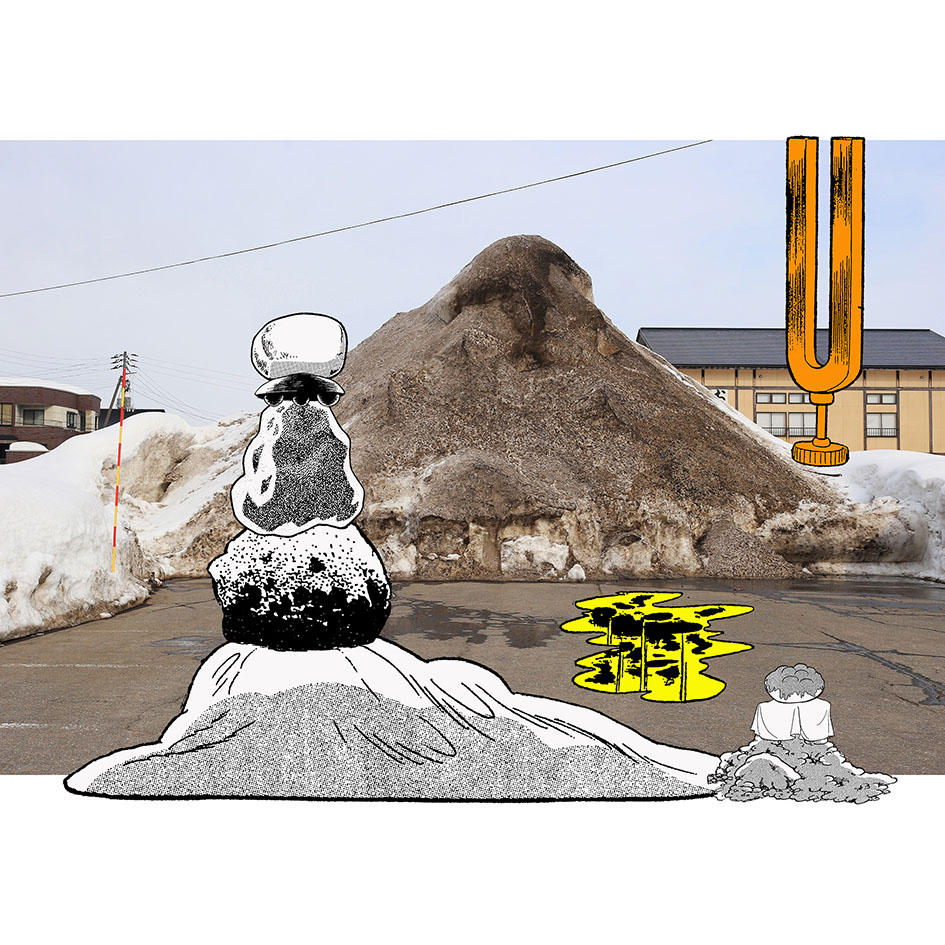
Teppei Kaneuji
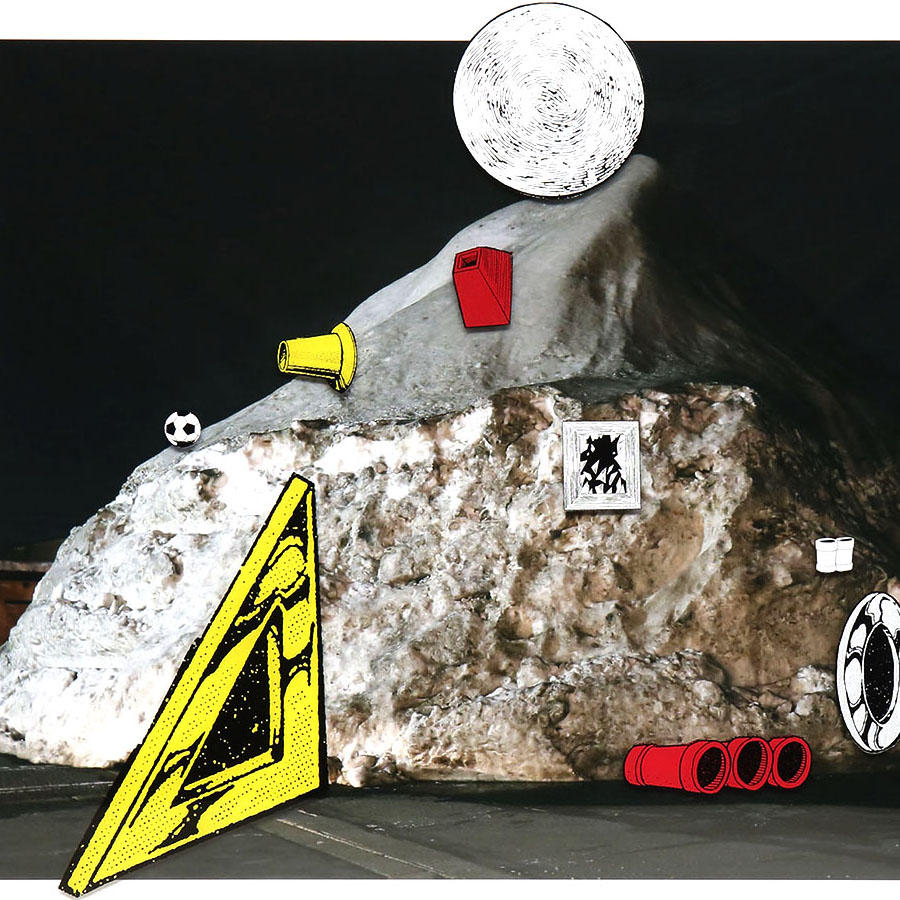
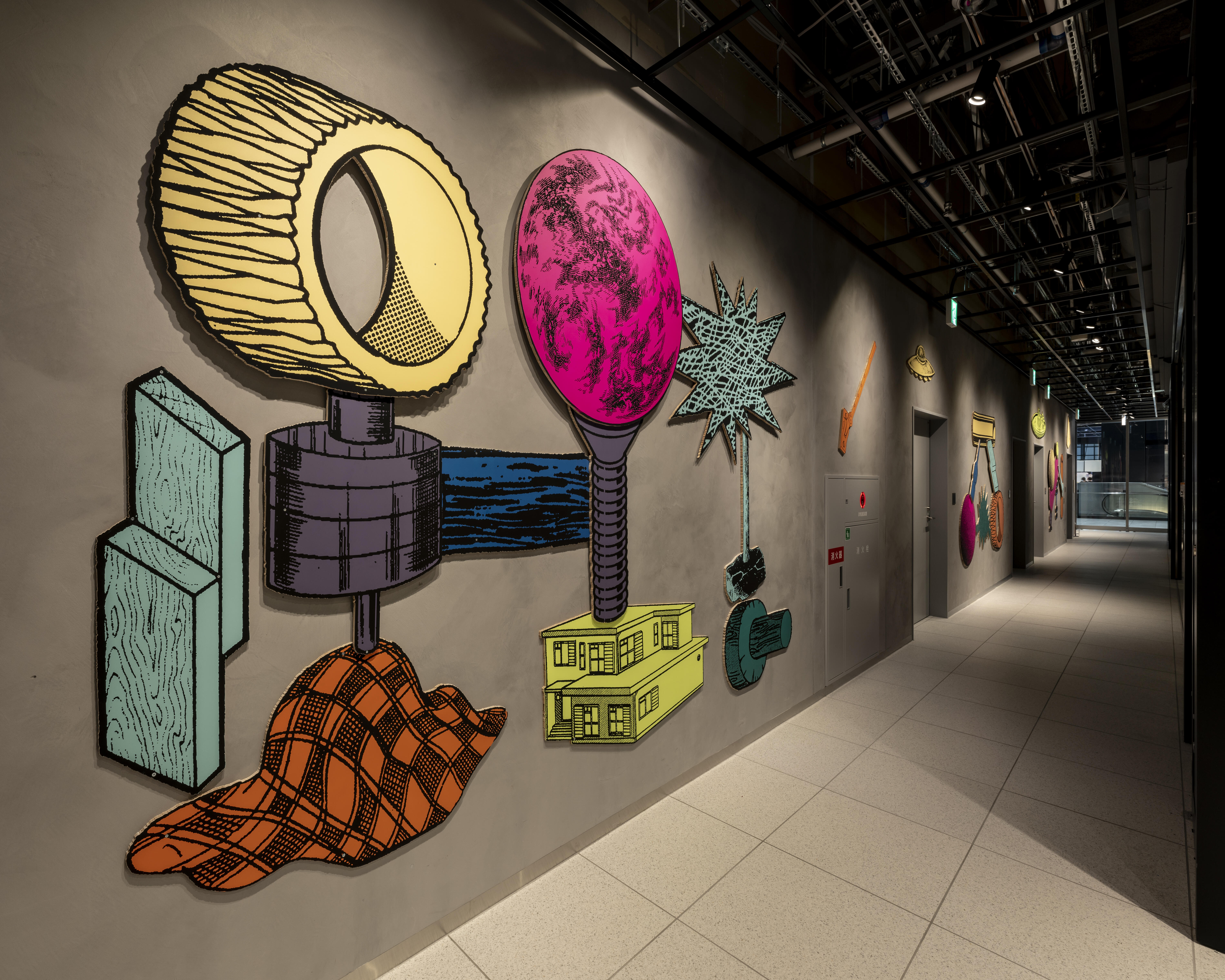
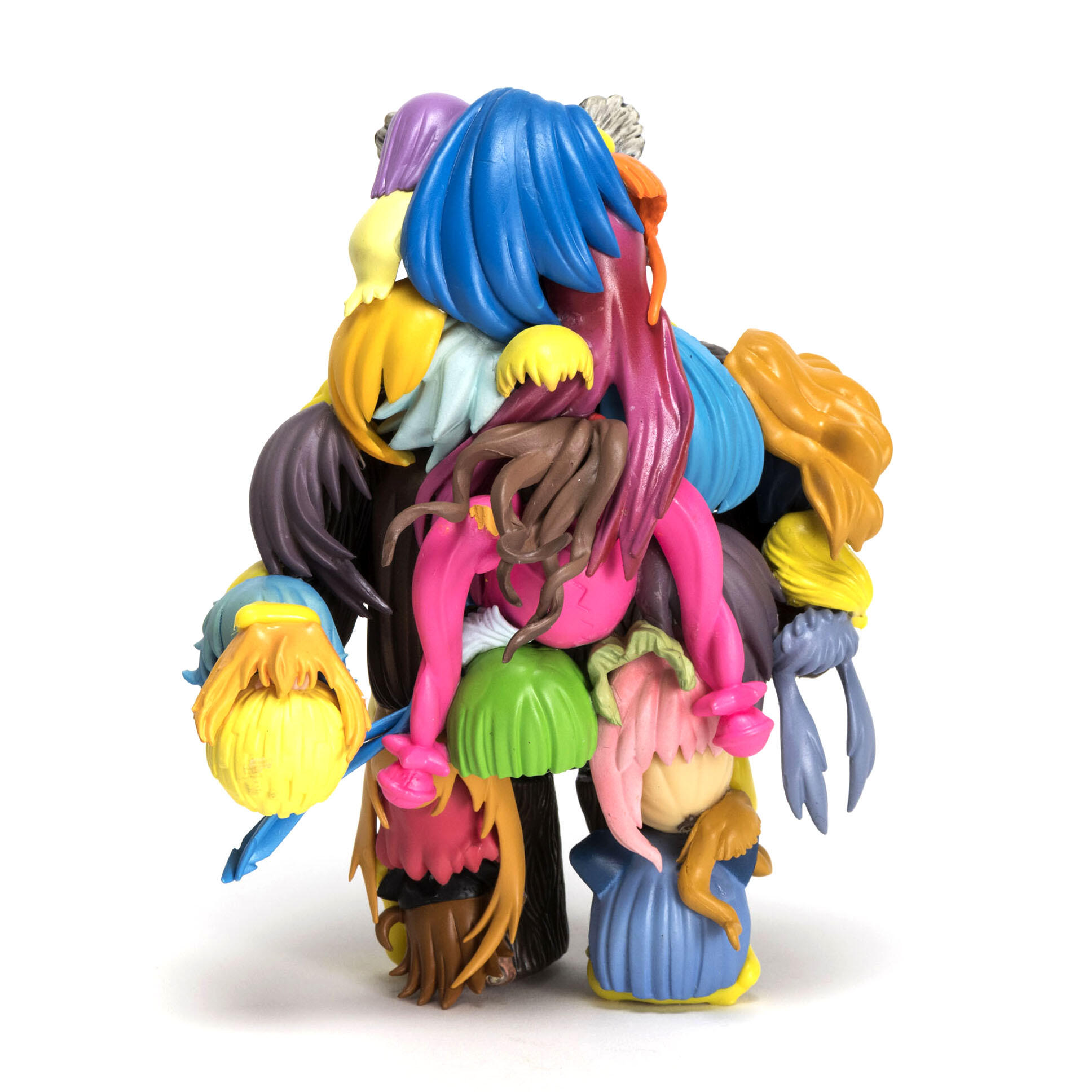
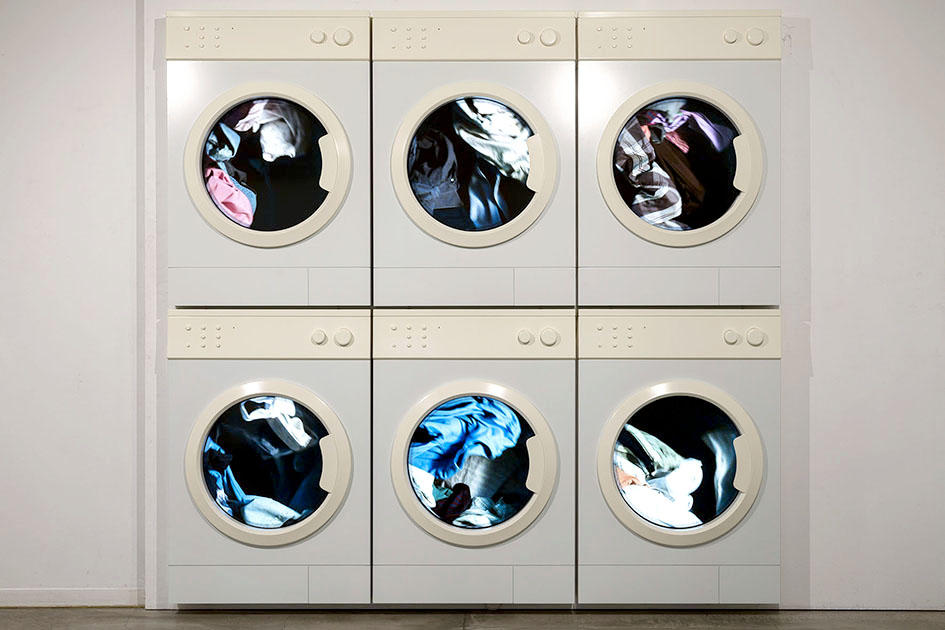
Born in 1978 in Kyoto Prefecture. His work primarily features figures and everyday objects that carry familiar, often mundane imagery. He has gained attention for rhythmically repeating and amplifying these images—symbols of the constantly reproduced information in contemporary society. By connecting individual objects without regard to their original meanings, his work generates unexpected and dynamic forms of expression.

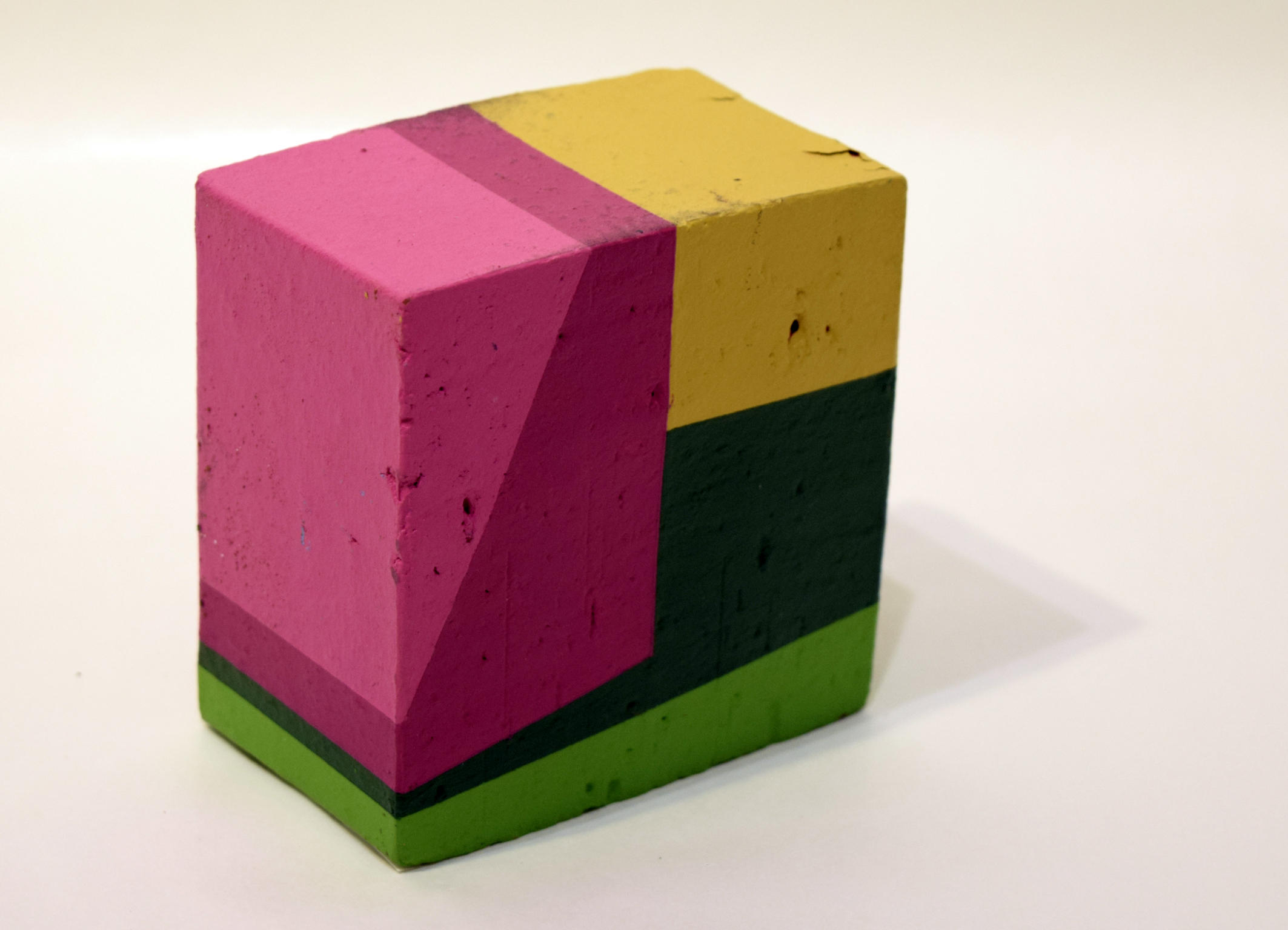
Teppei Kaneuji《Summer Fiction(River Stone) #11》2018 / 260×170×130 mm / stones of Shinano-river, FRP
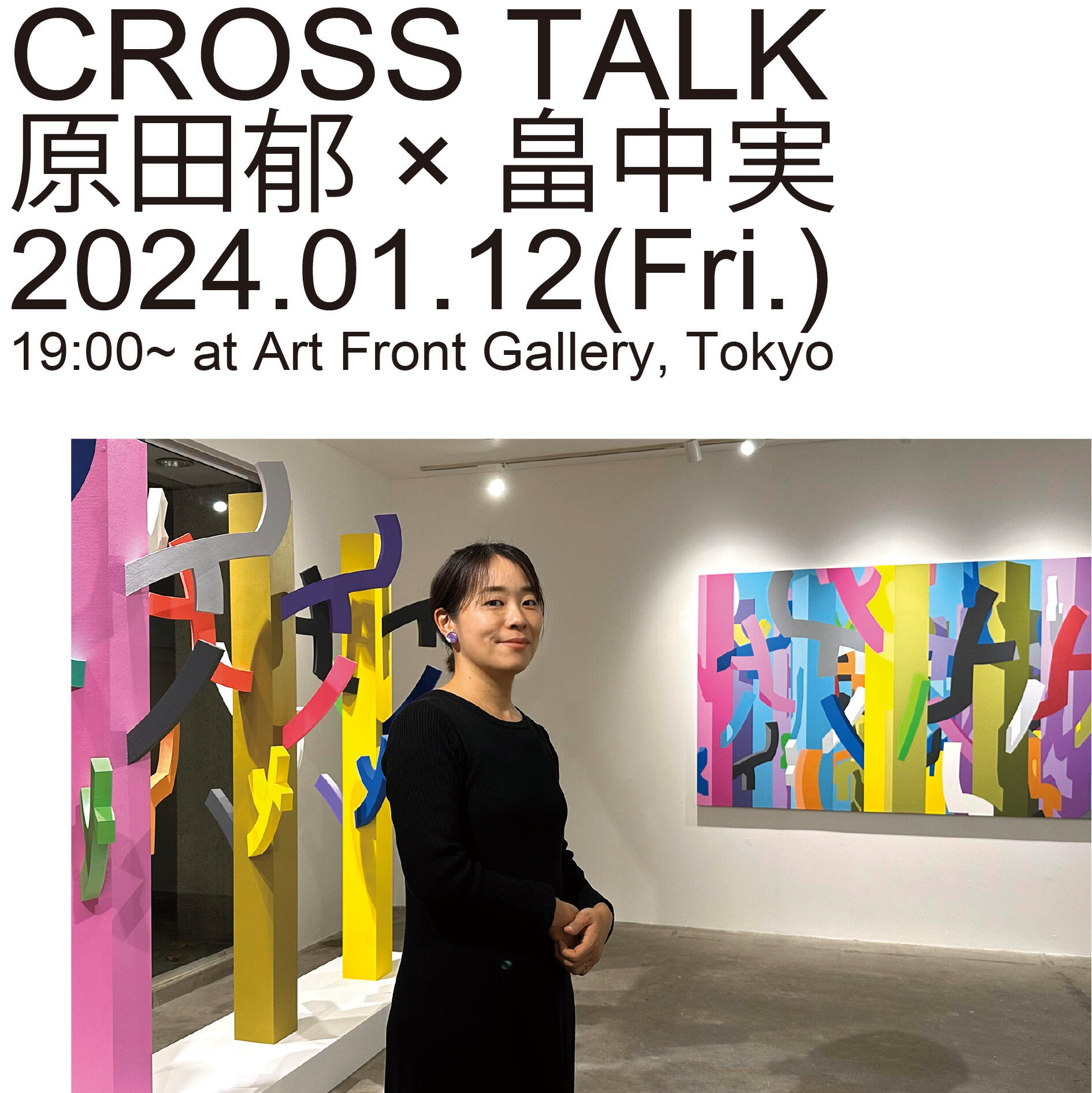
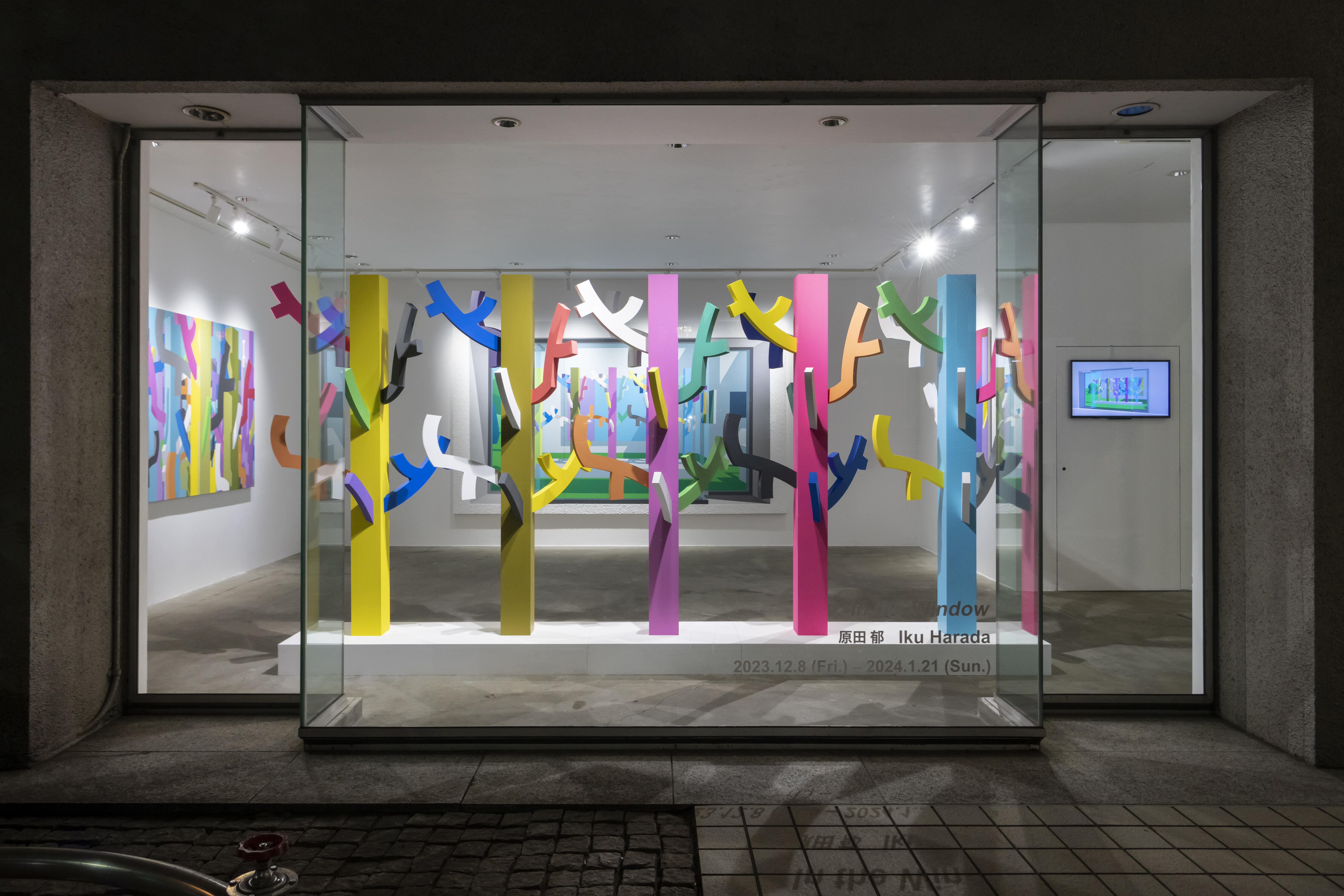
Iku Harada
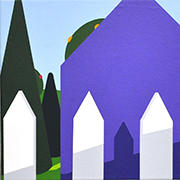
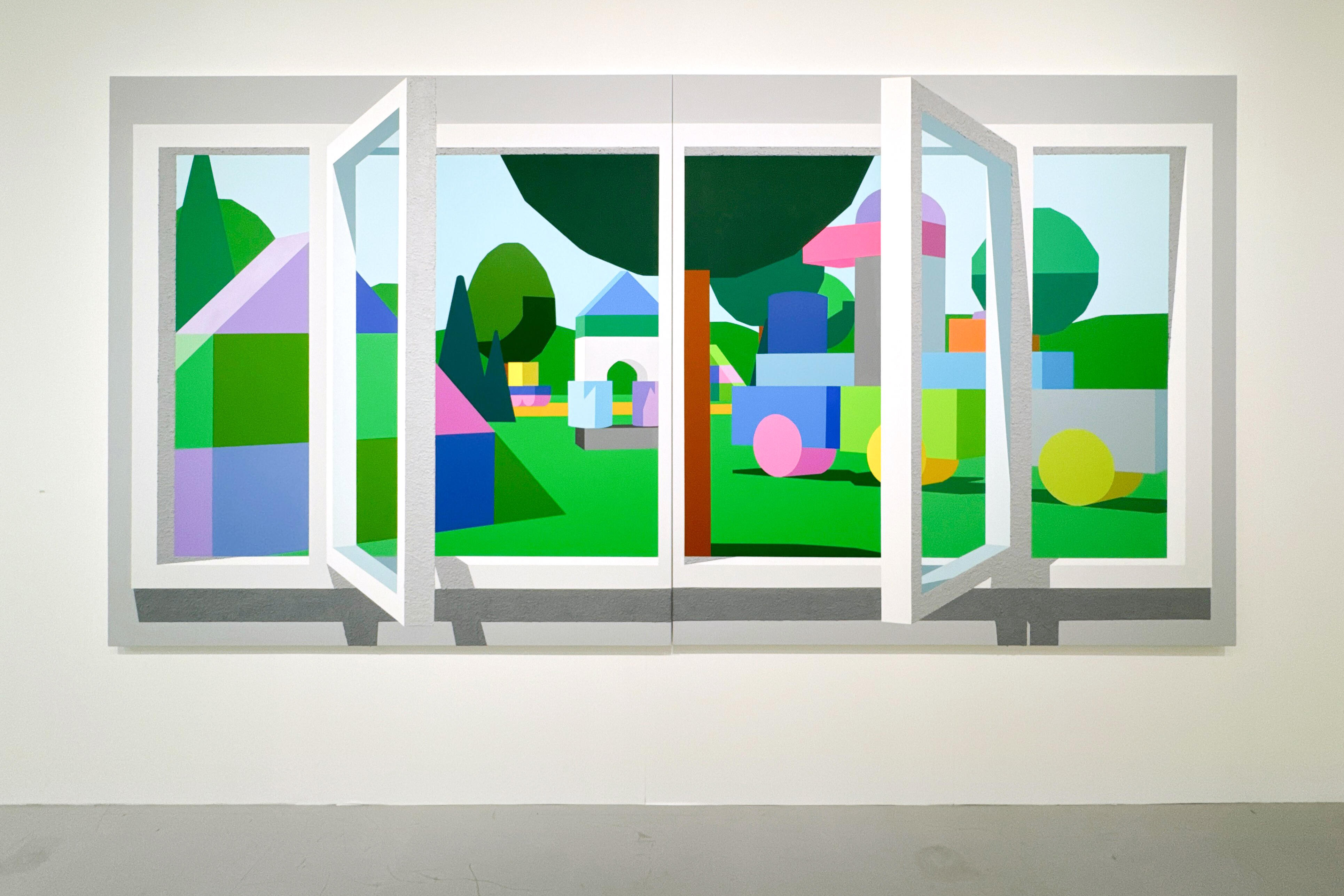
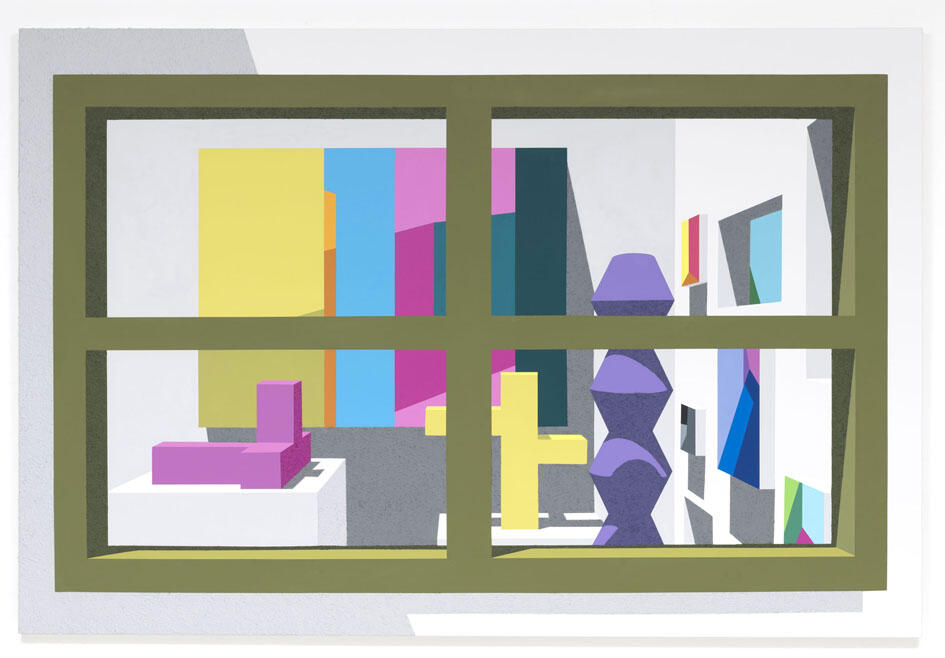
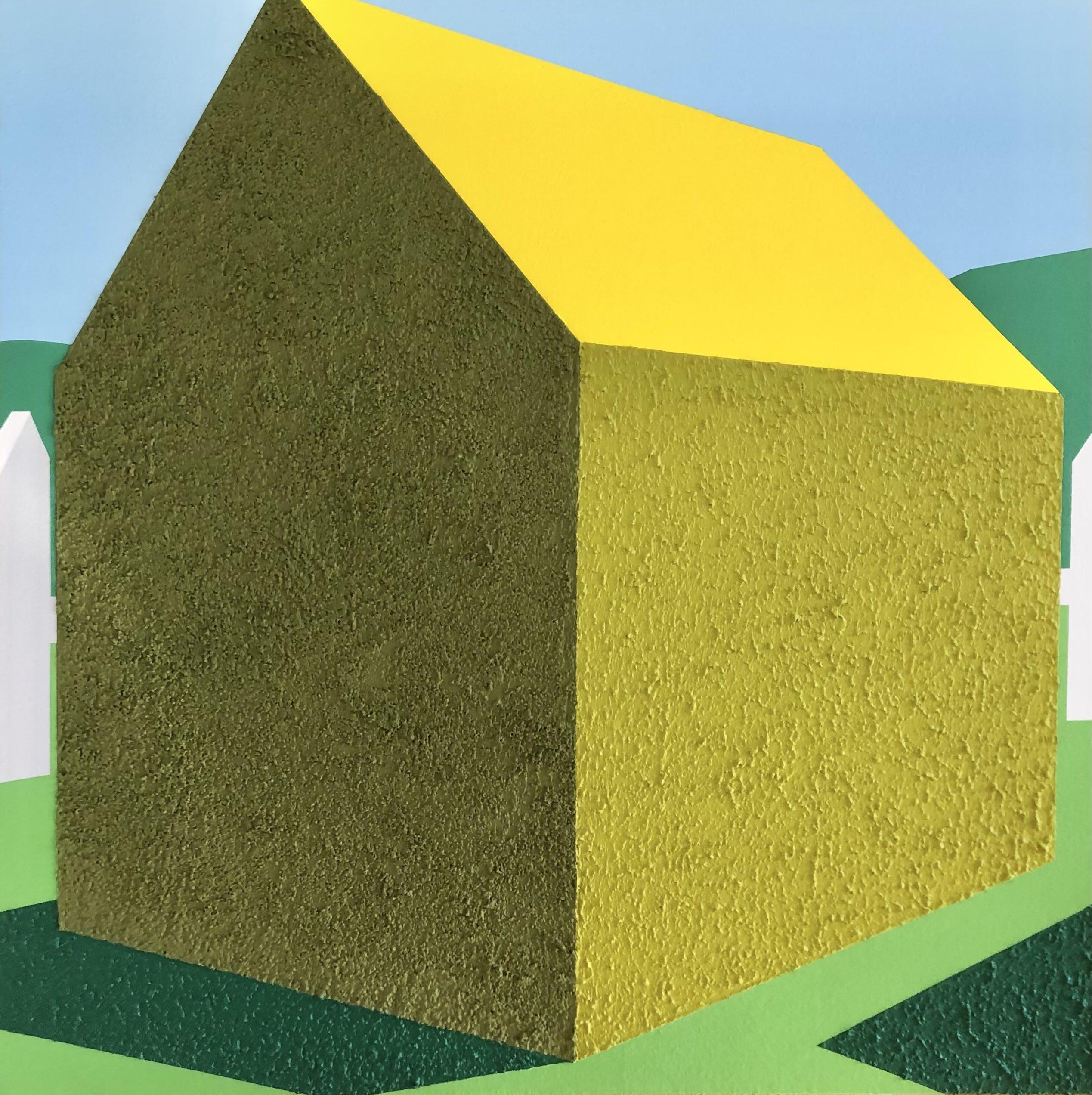
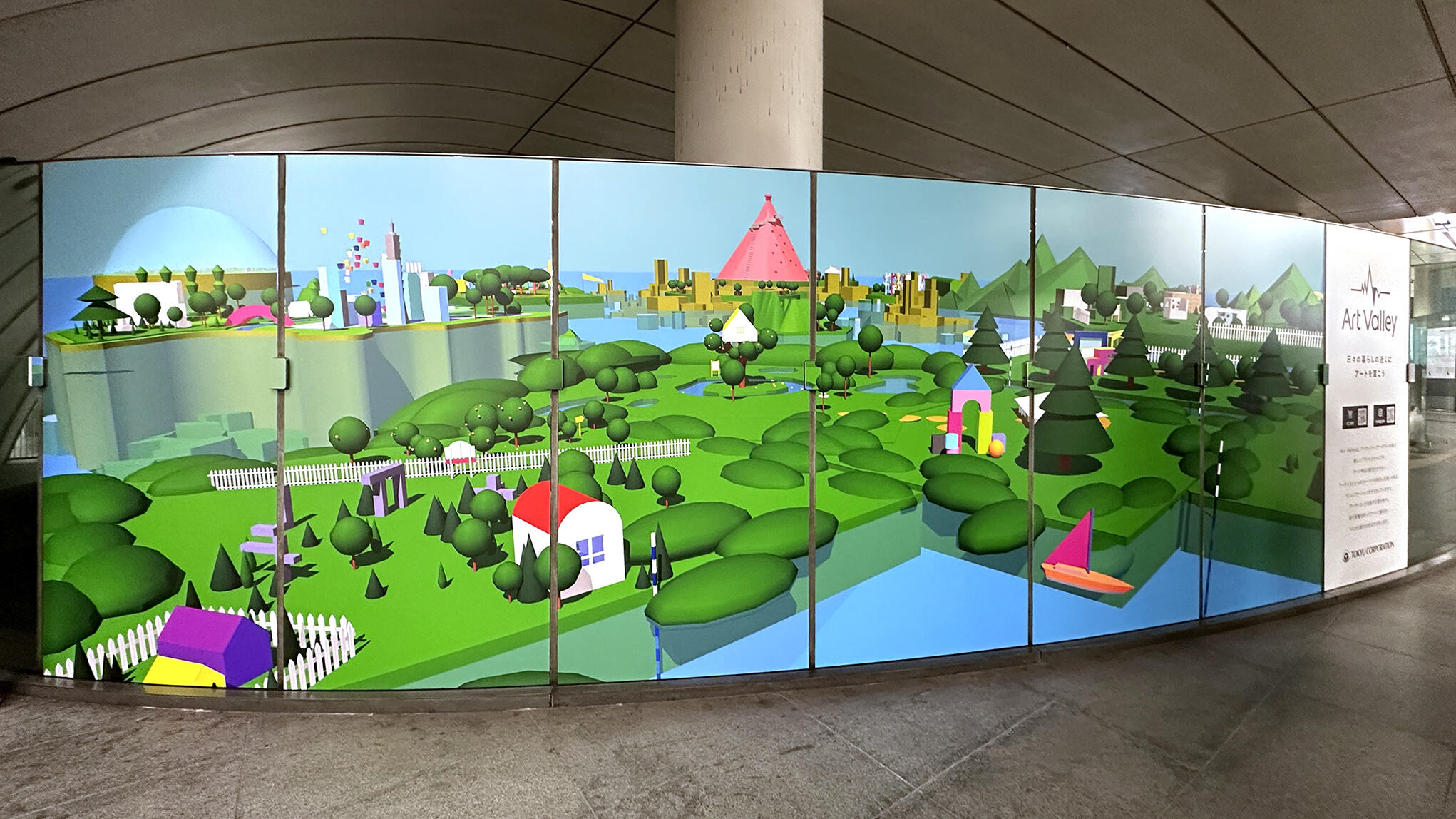
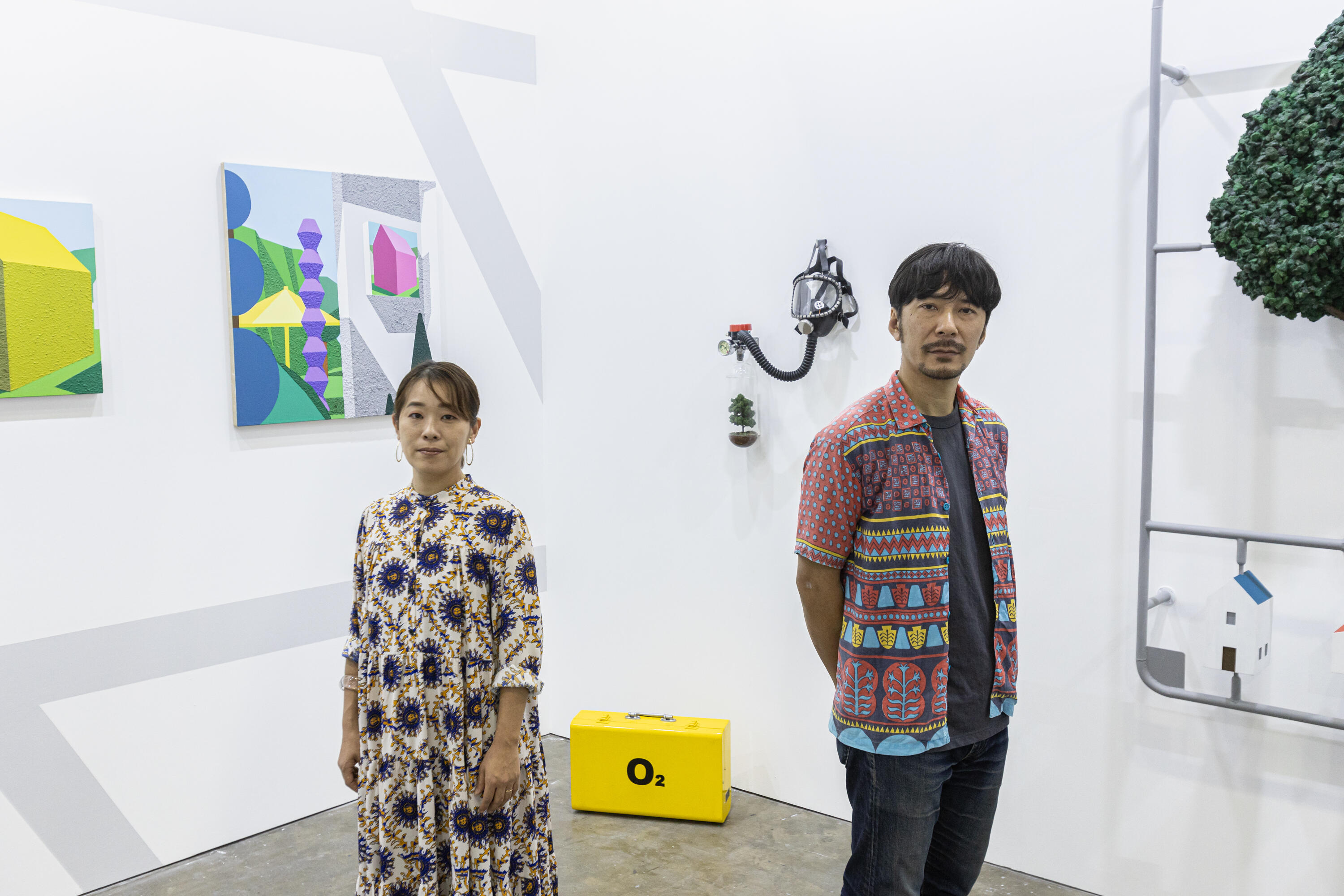
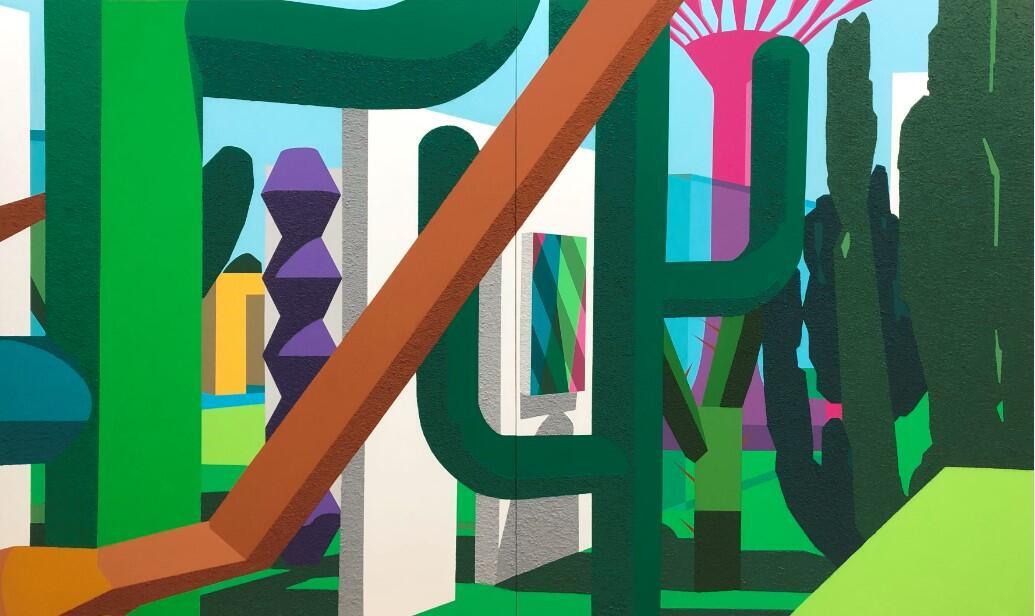
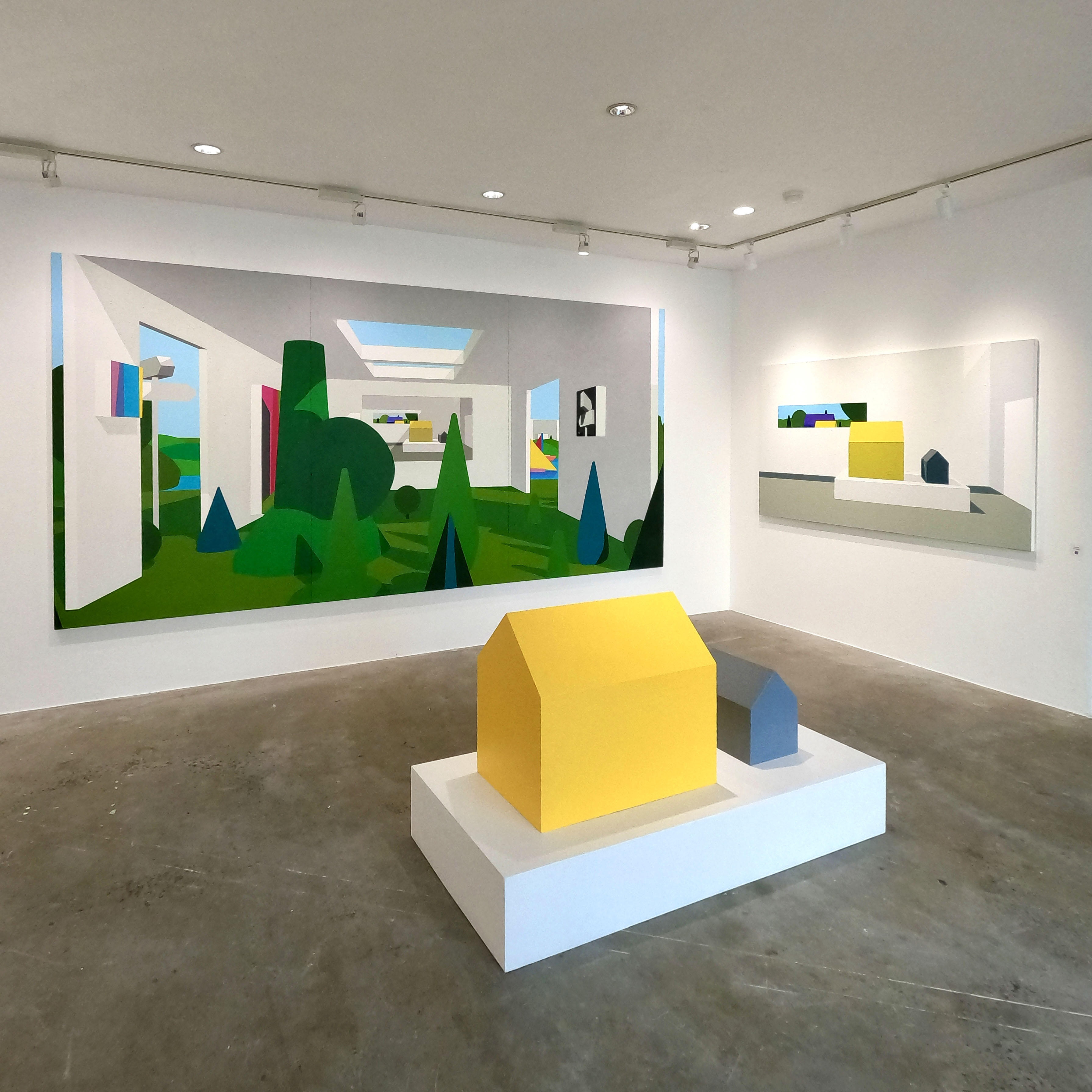
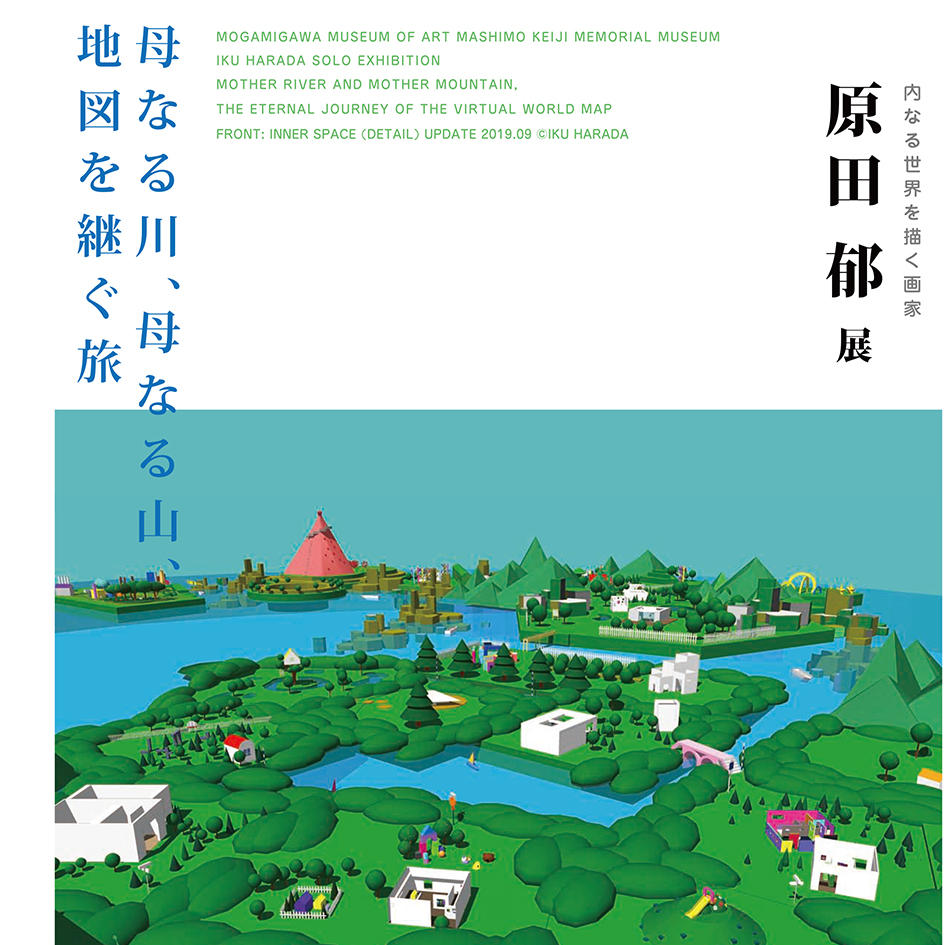
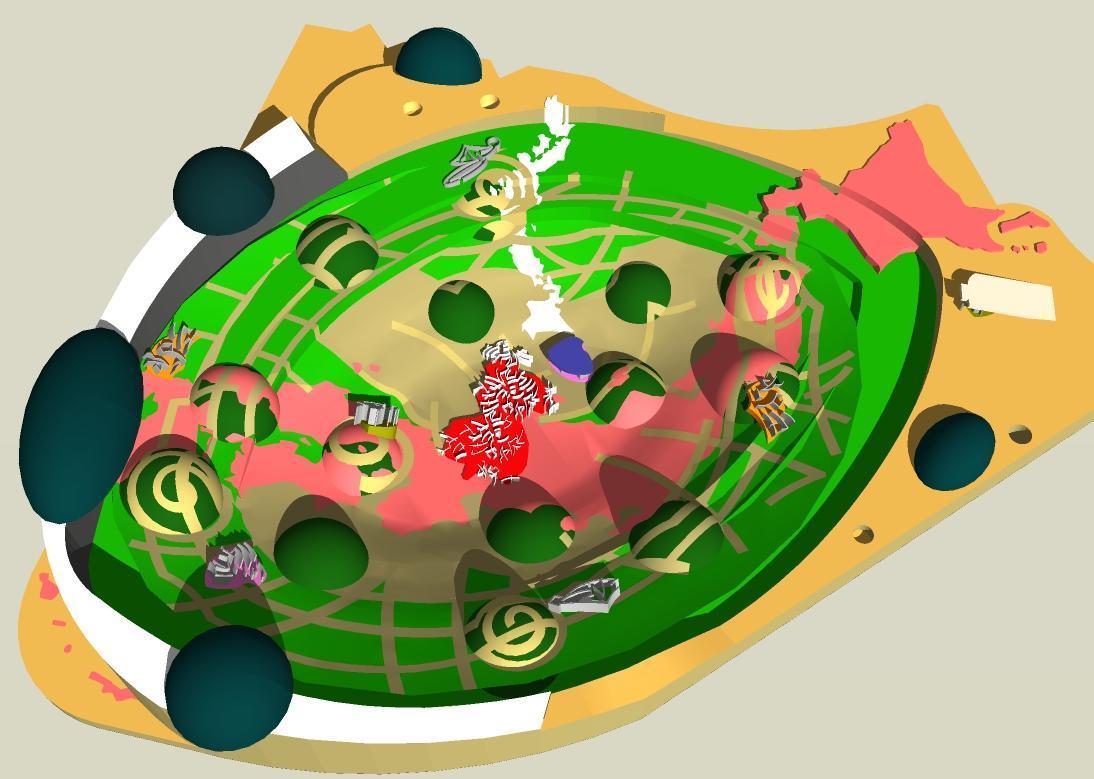
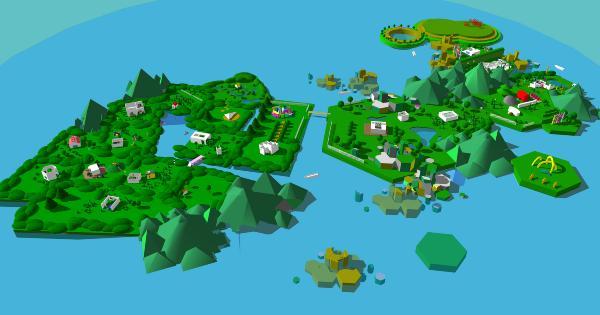
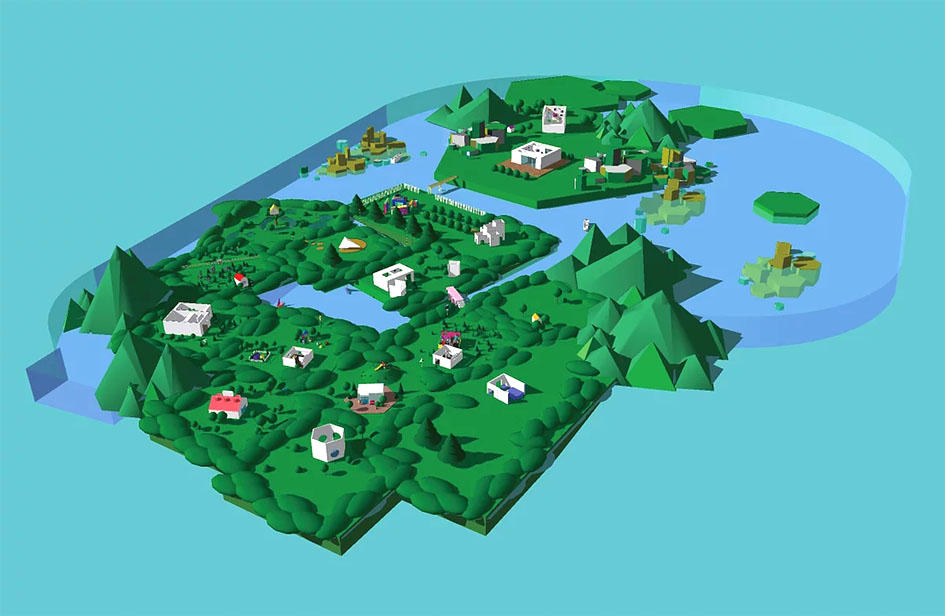
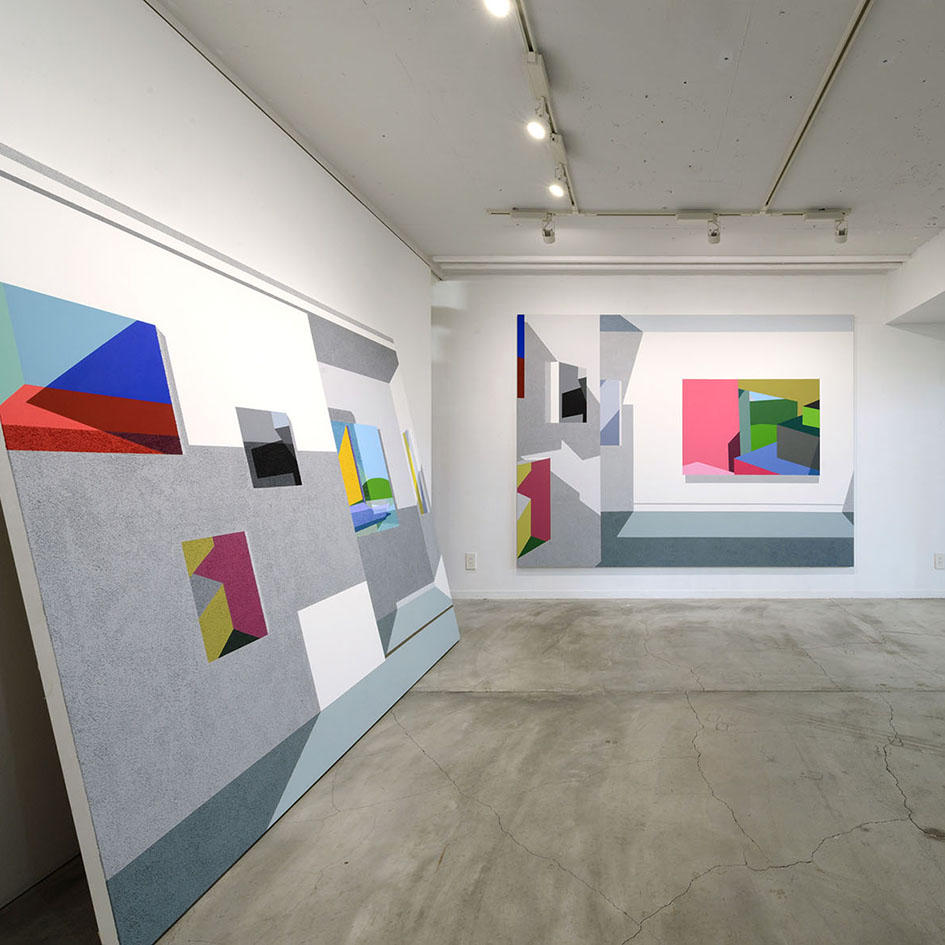
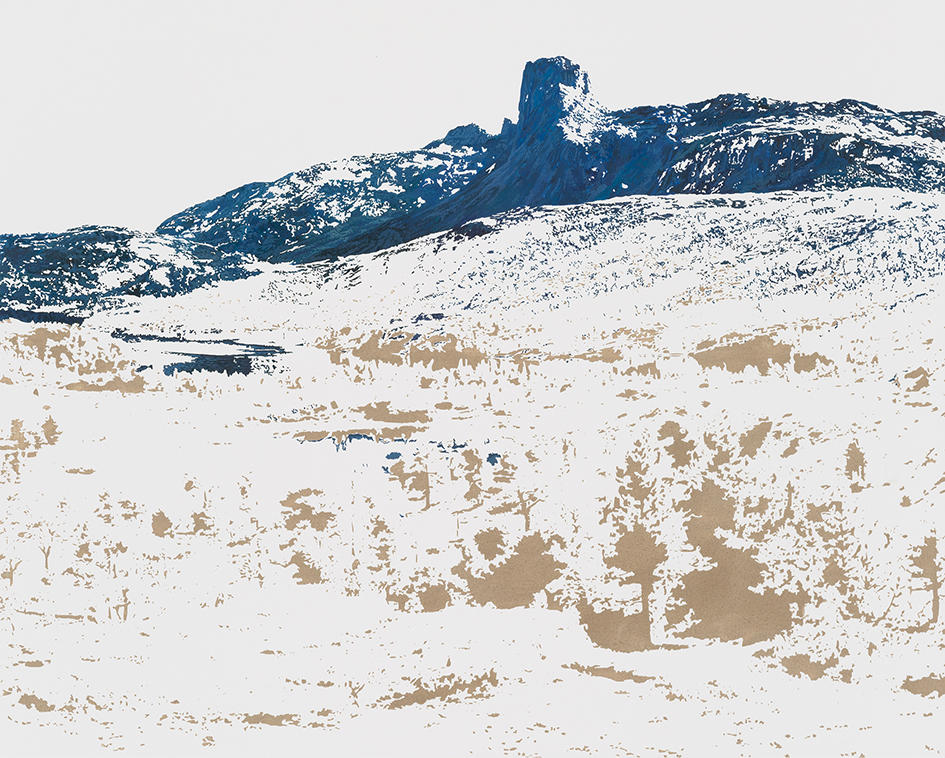
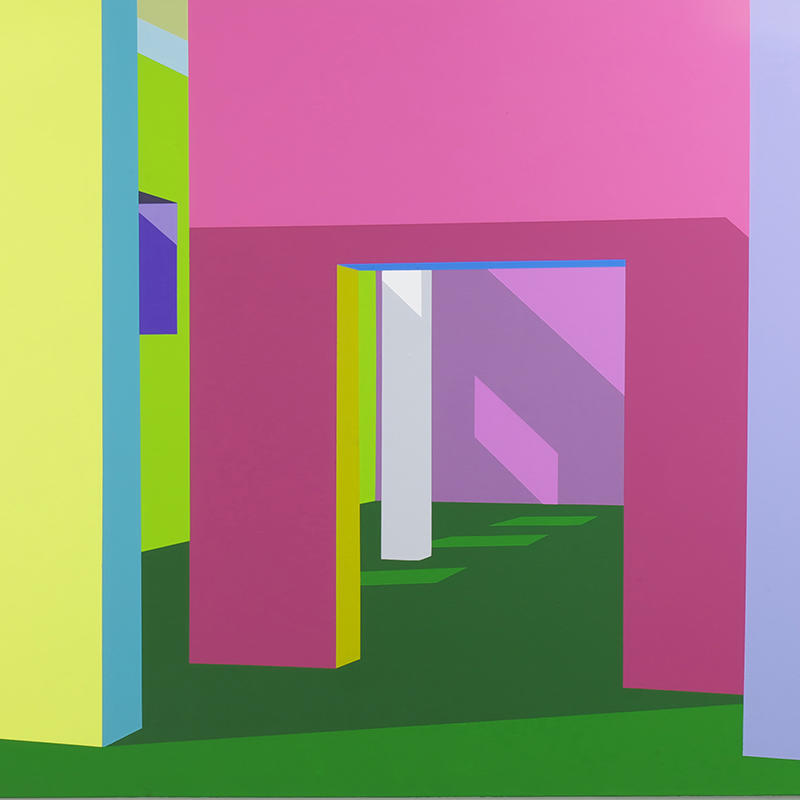
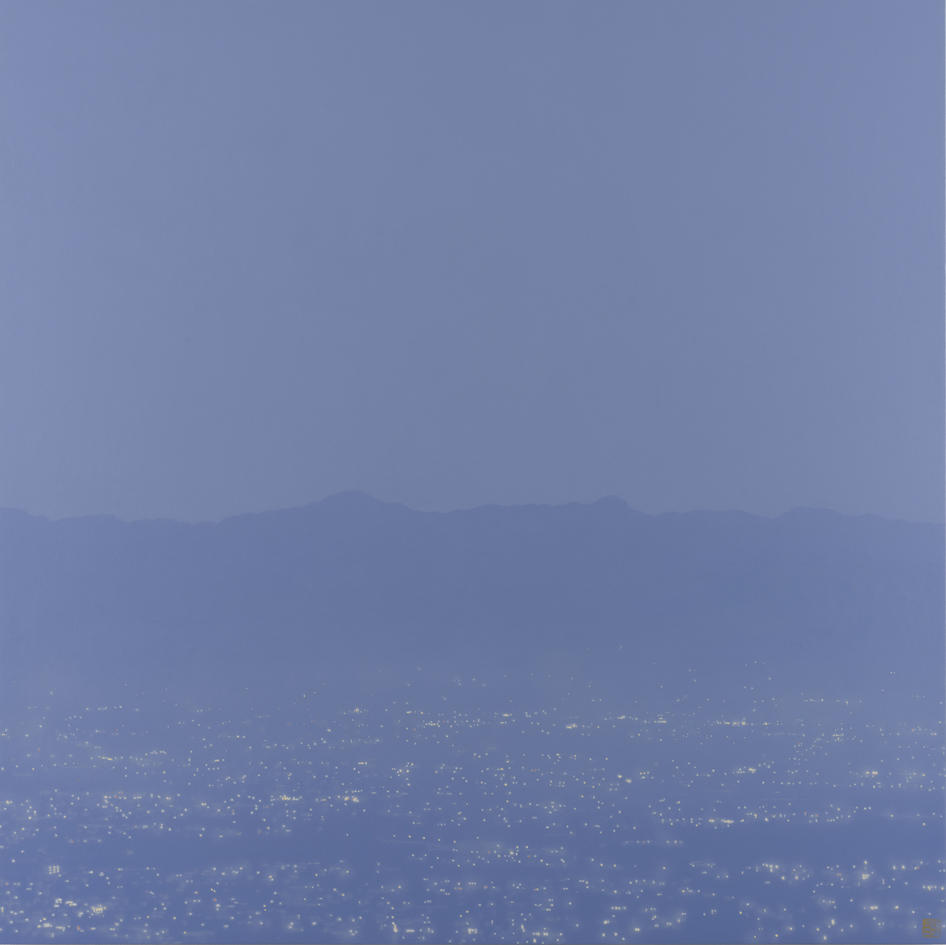
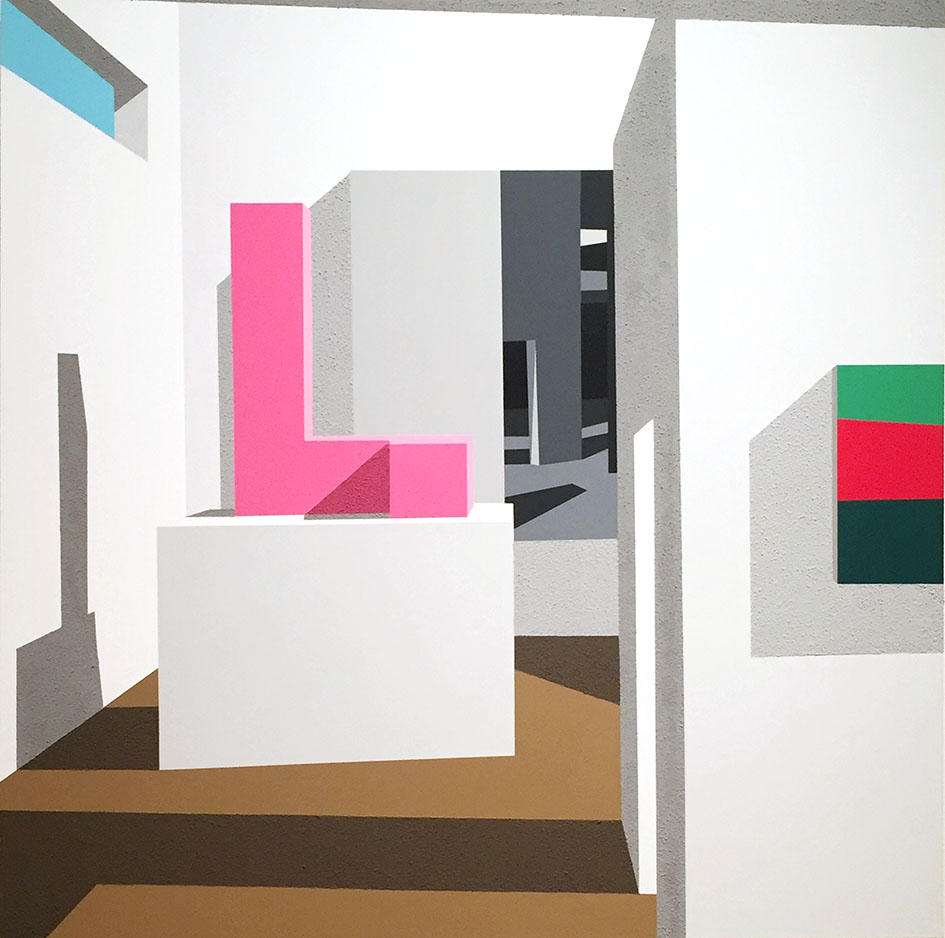
Harada creates imaginary spaces inside a computer—complete with houses, parks, and galleries—and paints landscapes from a first-person perspective within these virtual environments. While these scenes resemble reality, they lack the atmospheric depth and natural light gradations found in the real world, evoking the aesthetics of early computer graphics and fictional digital realms.
By translating these computer-generated virtual worlds into physical landscape paintings on canvas, Harada bridges the gap between the digital and the tangible. In recent years, this practice has evolved into sculptural works as well, developing into a layered structure where the virtual and the real continuously inform and influence each other.

Iku Harada《WINDOW 2024 (flat) #004》2024 / 425×600×33 mm / Giclée, Acrylic mount, Framing
Naoto Fuchigami
Born in 1995 in Kobe, Hyogo Prefecture, the artist studied Physics and Applied Physics at Kansai University. After working as a systems engineer at Fujitsu, he began his career as an artist in 2021. From the perspective of quantum physics, he creates works exploring the structure and strangeness of the material world and its relationship with humans.
In the “ħ Series,” which includes the work in this exhibition, he uses crushed silicon wafers (semiconductors) before they are processed into IC chips as his material. This reflects the uncanny nature of semiconductors—whose properties defy human intuition—and symbolizes both their role as the foundation of society and human limitations. The act of crushing represents a return from “product” to “material,” stripping away function and highlighting human tendencies to simplify and imperfectly interpolate reality.
By incorporating the quantum mechanical constant “ħ” in the title, he presents a conceptual intersection between microscopic physical principles and artistic expression, continually exploring new possibilities for creative work.

Naoto Fuchigami《ħ - particle / interaction #6》2024 / 333×333×25 mm / panel, epoxy resin, silicon wafer
Takanao Kaneko
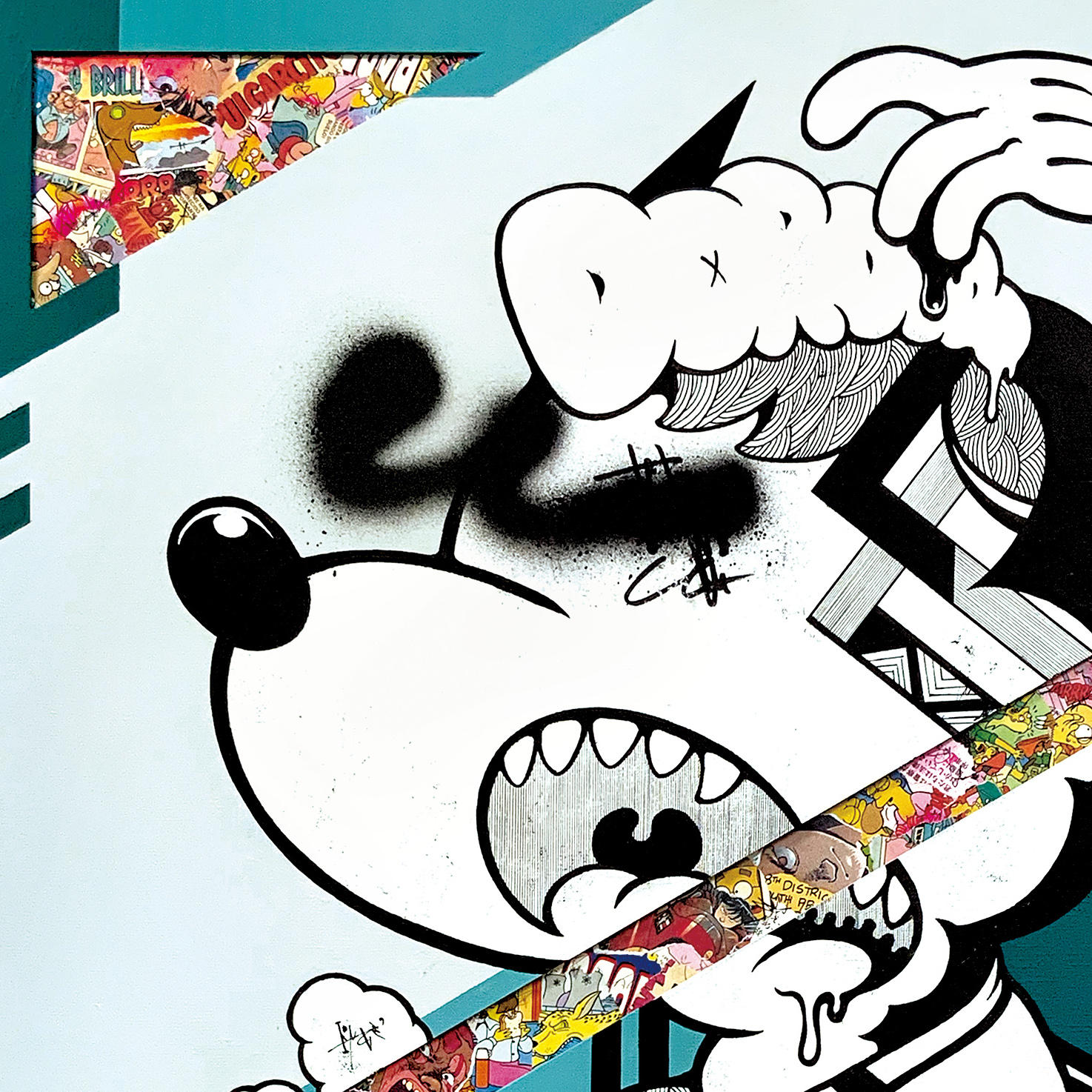
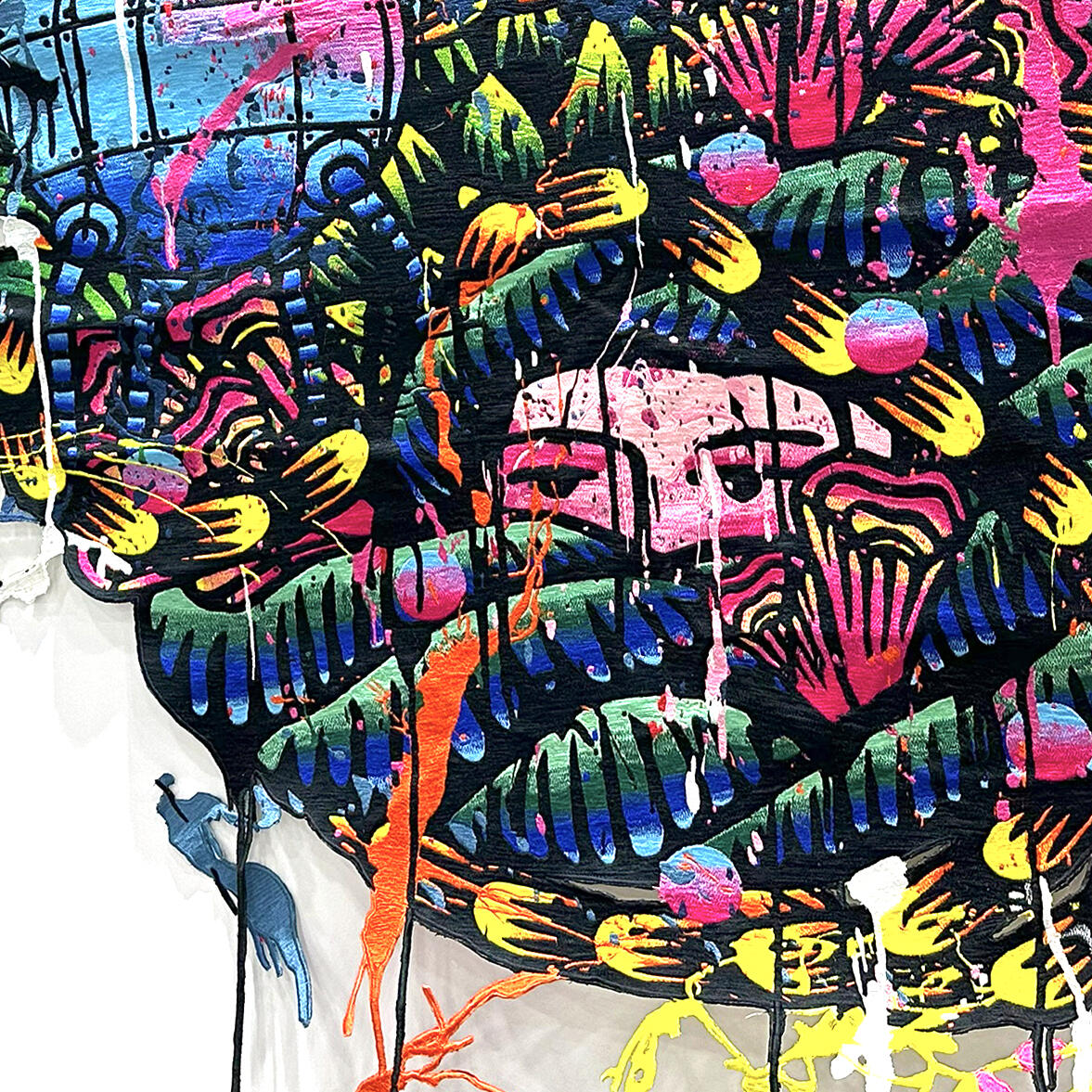
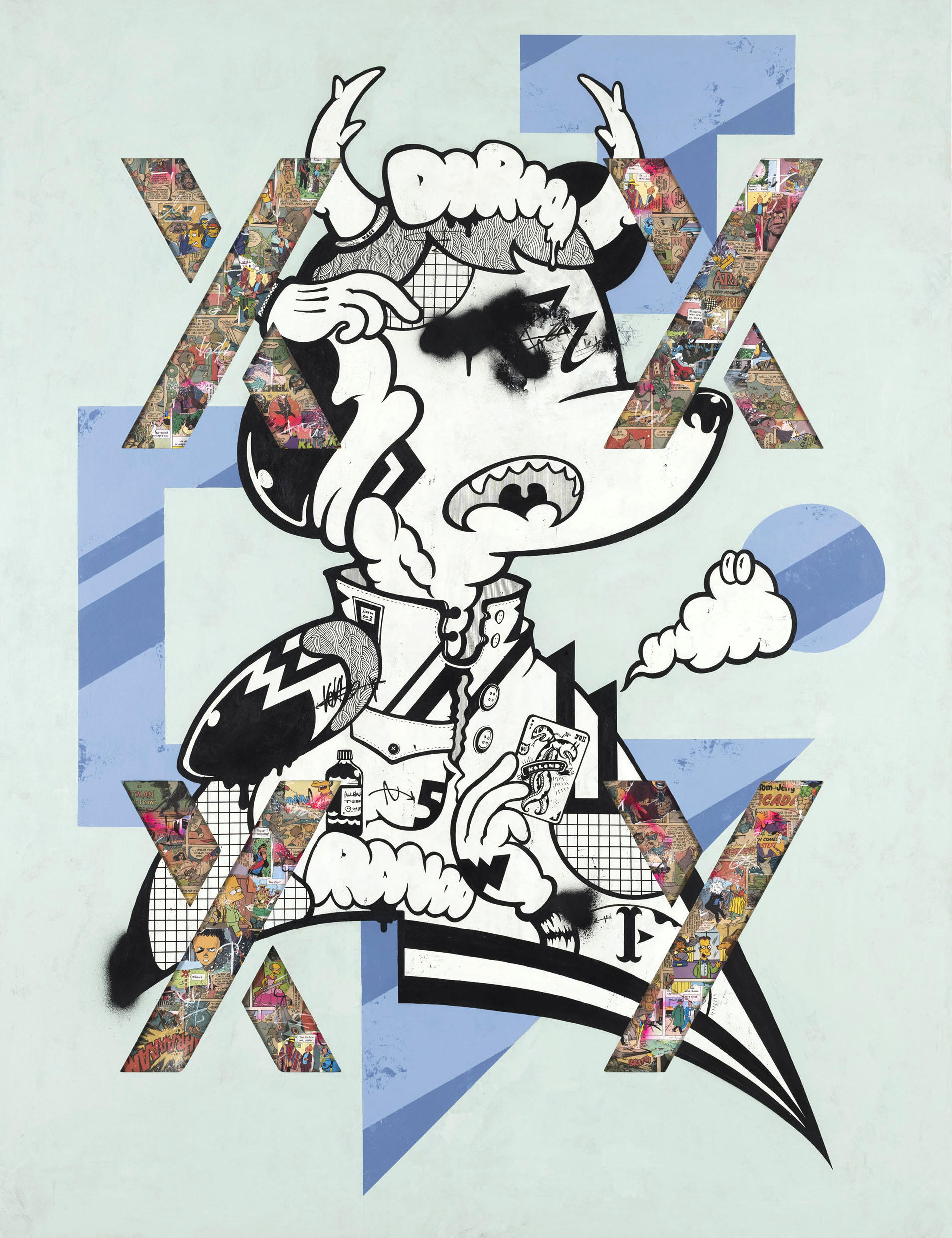
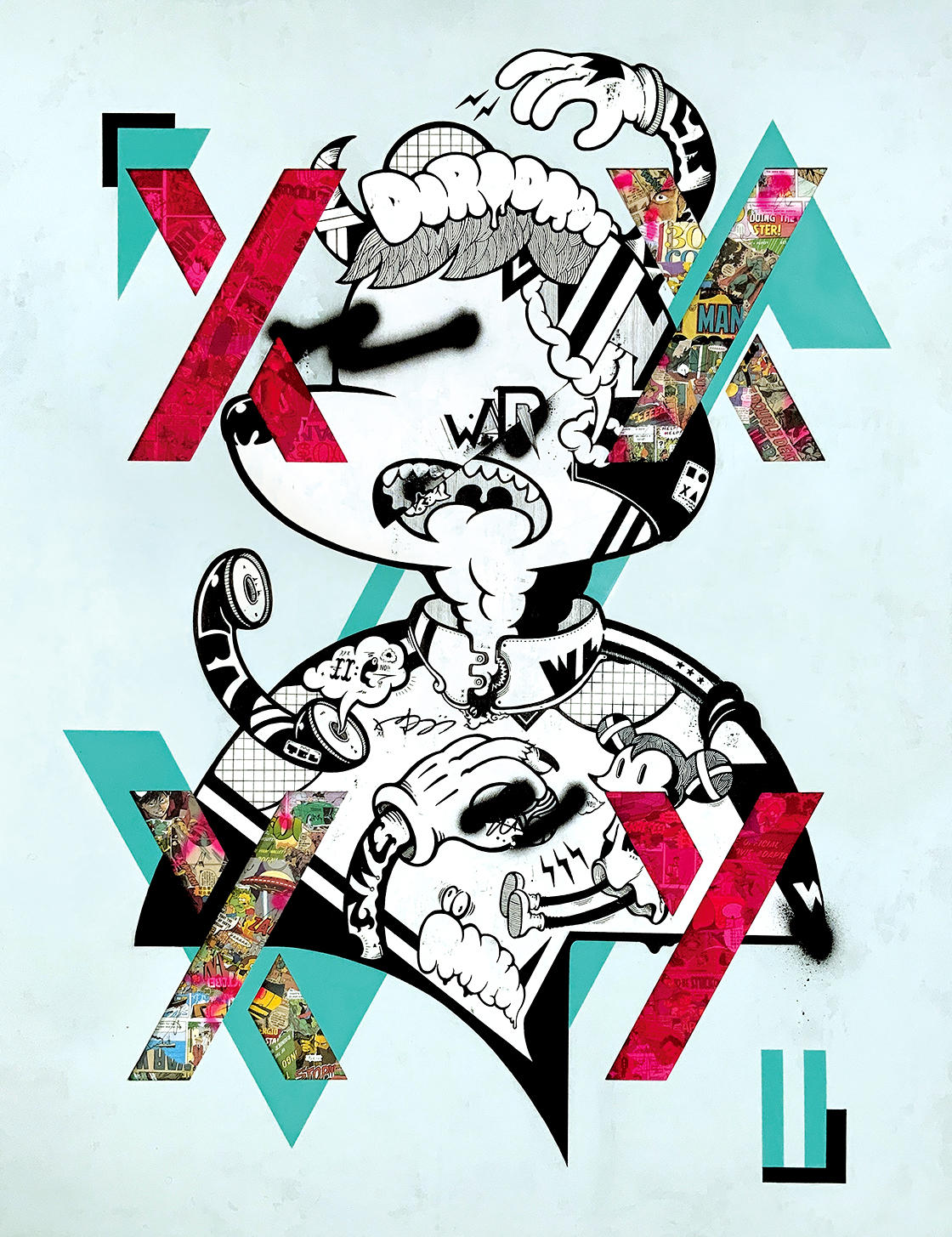
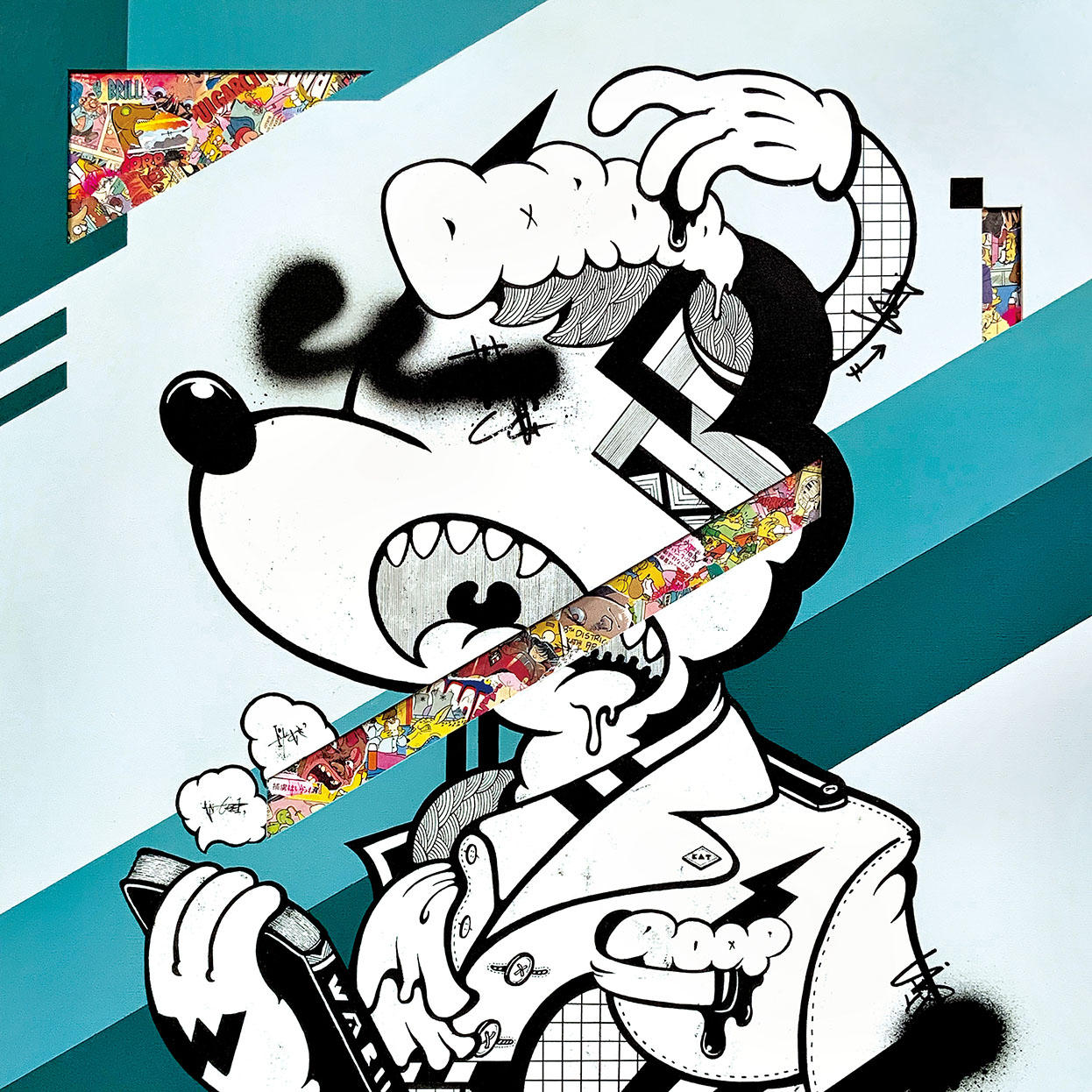
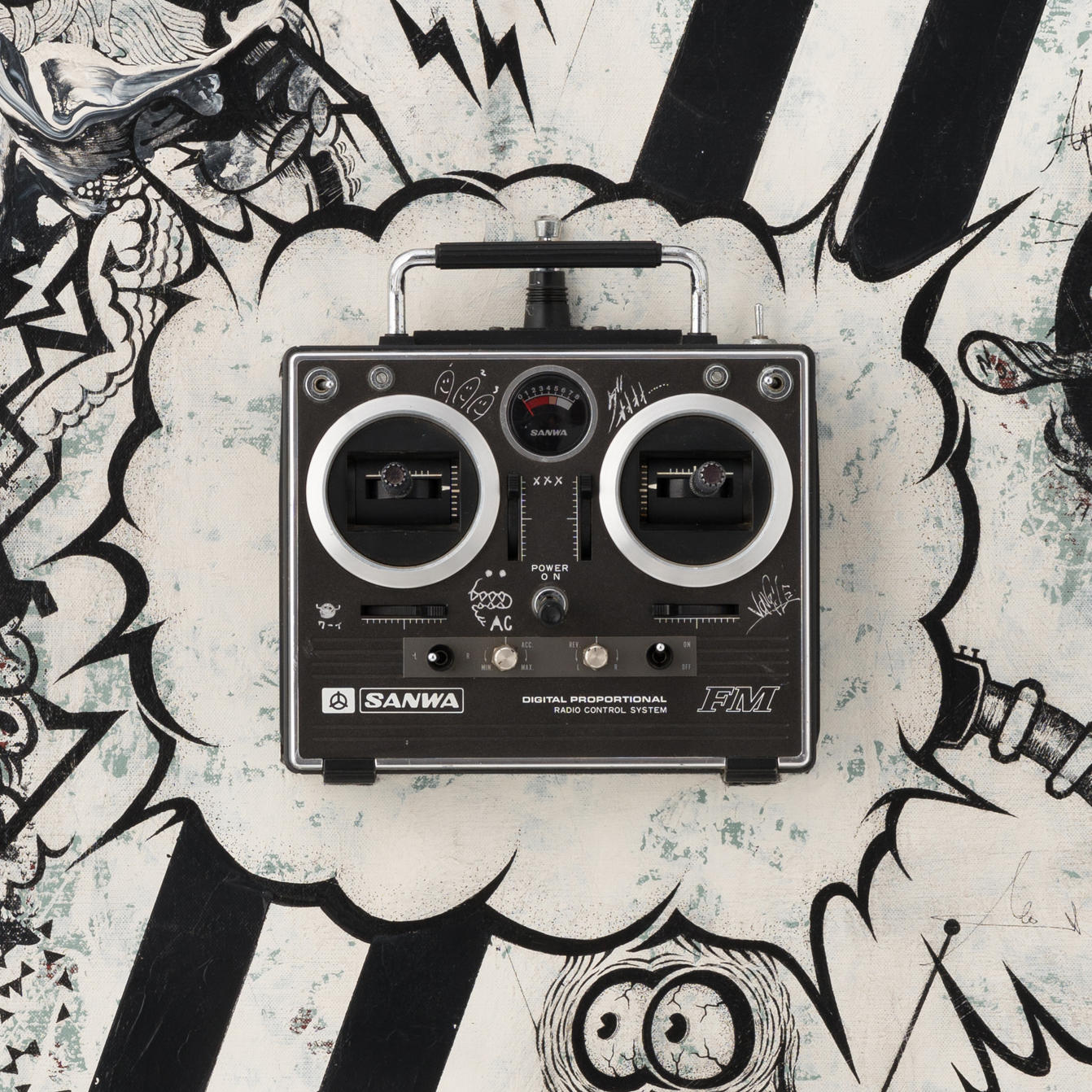
Takanao Kaneko’s works feature a distinctive style that blends manga and graffiti, characterized by layered structures using typography and comic collage. His monster characters symbolize the “noise” of information on social media and the duality of human nature, portraying how identity transforms between the online world and reality. Despite the cynical themes, his witty and approachable characters convey a deep curiosity and warmth toward human society. For this exhibition, he presents new works created with a novel technique of printing on acrylic.

Takanao Kaneko《drop2》2025 / Φ700 mm / Acrylic, wooden panel, manga magazine, acrylic board (inkjet print)
Kazuto Imura
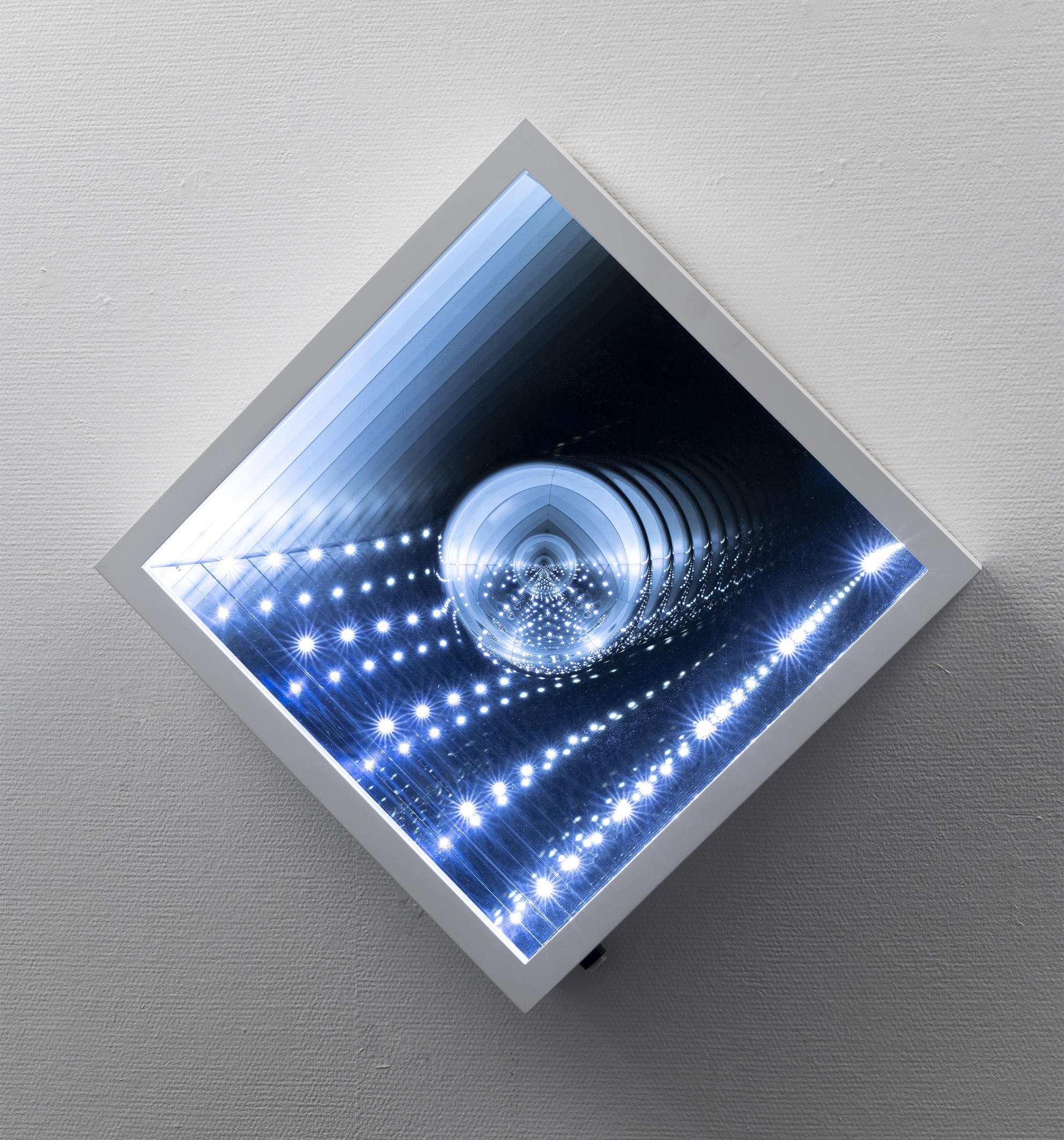
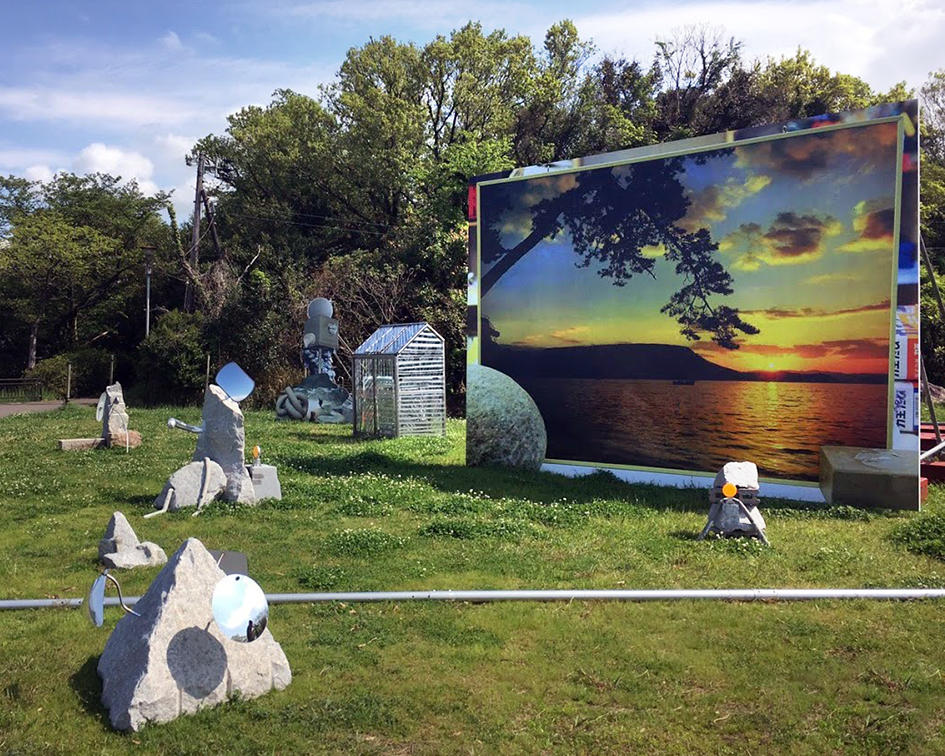
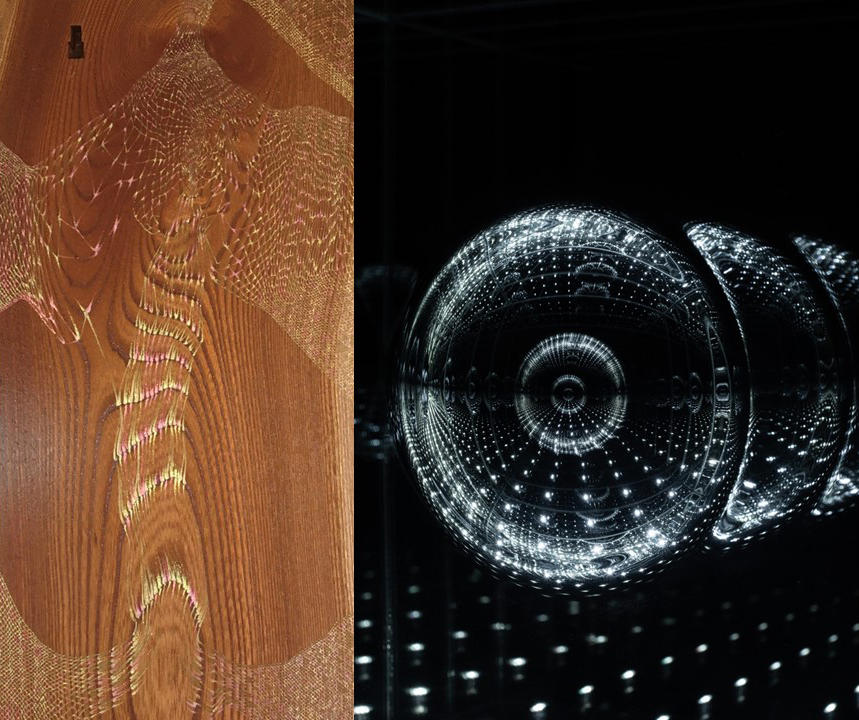
Kazuto Imura is an artist who creates optical works exploring perception and visual recognition, using materials such as half mirrors, spherical mirrors, and LEDs. In recent years, he has expanded his artistic expression by delving into the history of mirrors and experimenting with diverse materials, including the creation of mirrors that do not show the viewer’s reflection.
His work has been featured in major exhibitions such as the Setouchi Triennale and the Matsumoto Architecture + Art Festival, and he has also undertaken commissioned projects for pharmaceutical companies, hotels, and other spaces—bringing light and brilliance into everyday environments.

Kazuto Imura《Wall- ordered convexo - concave》2025 / Φ266×138 mm / glass mirror, acrylic mirror, LED, frame
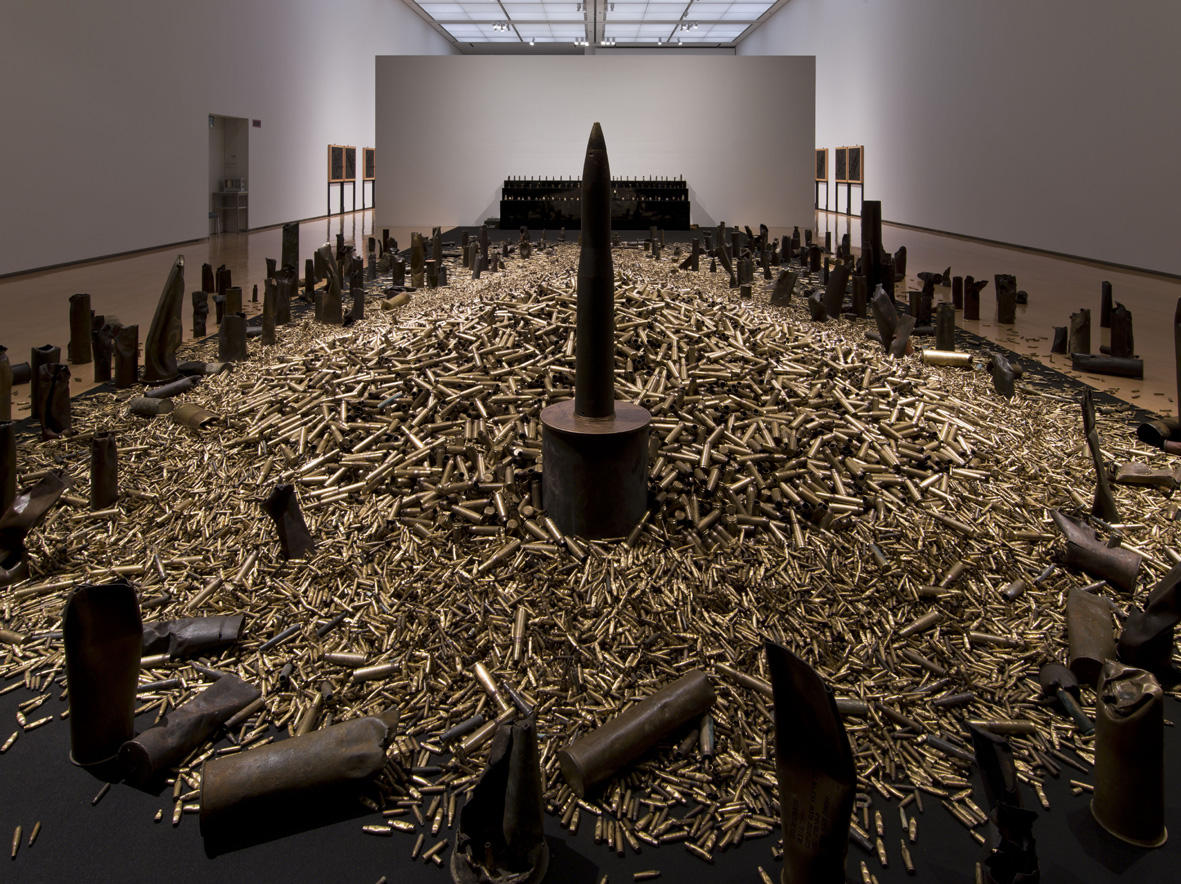
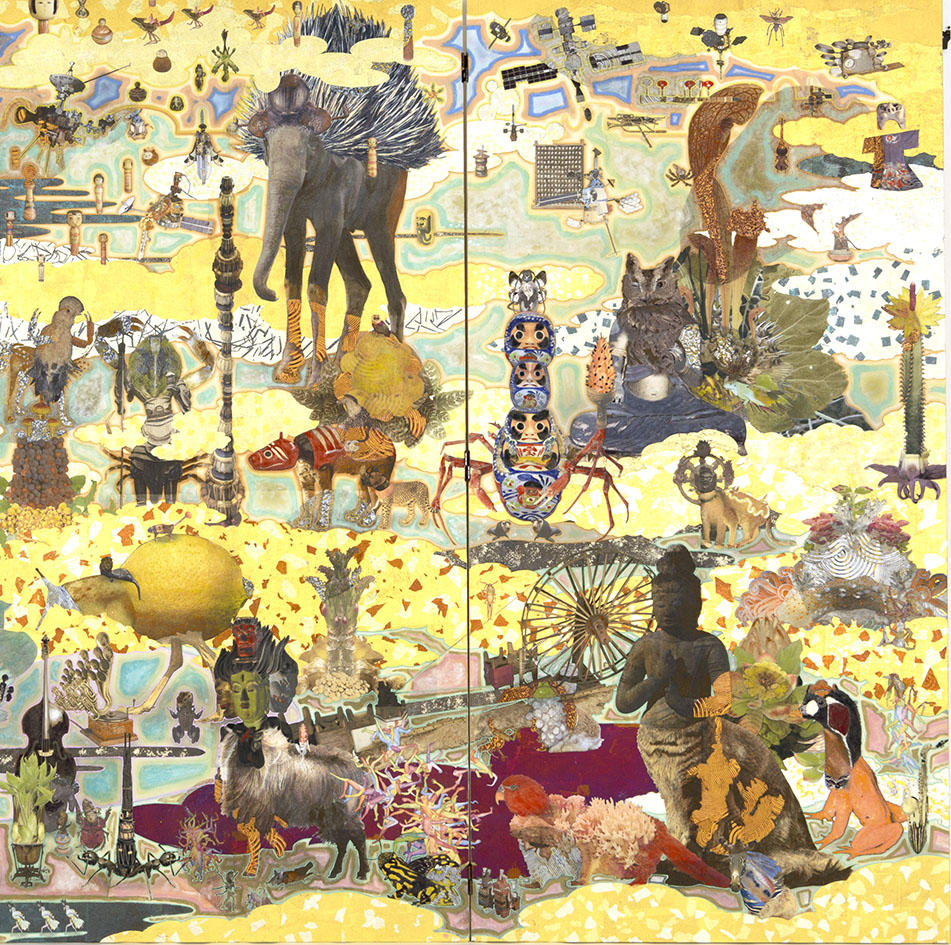
Yukinori Yanagi
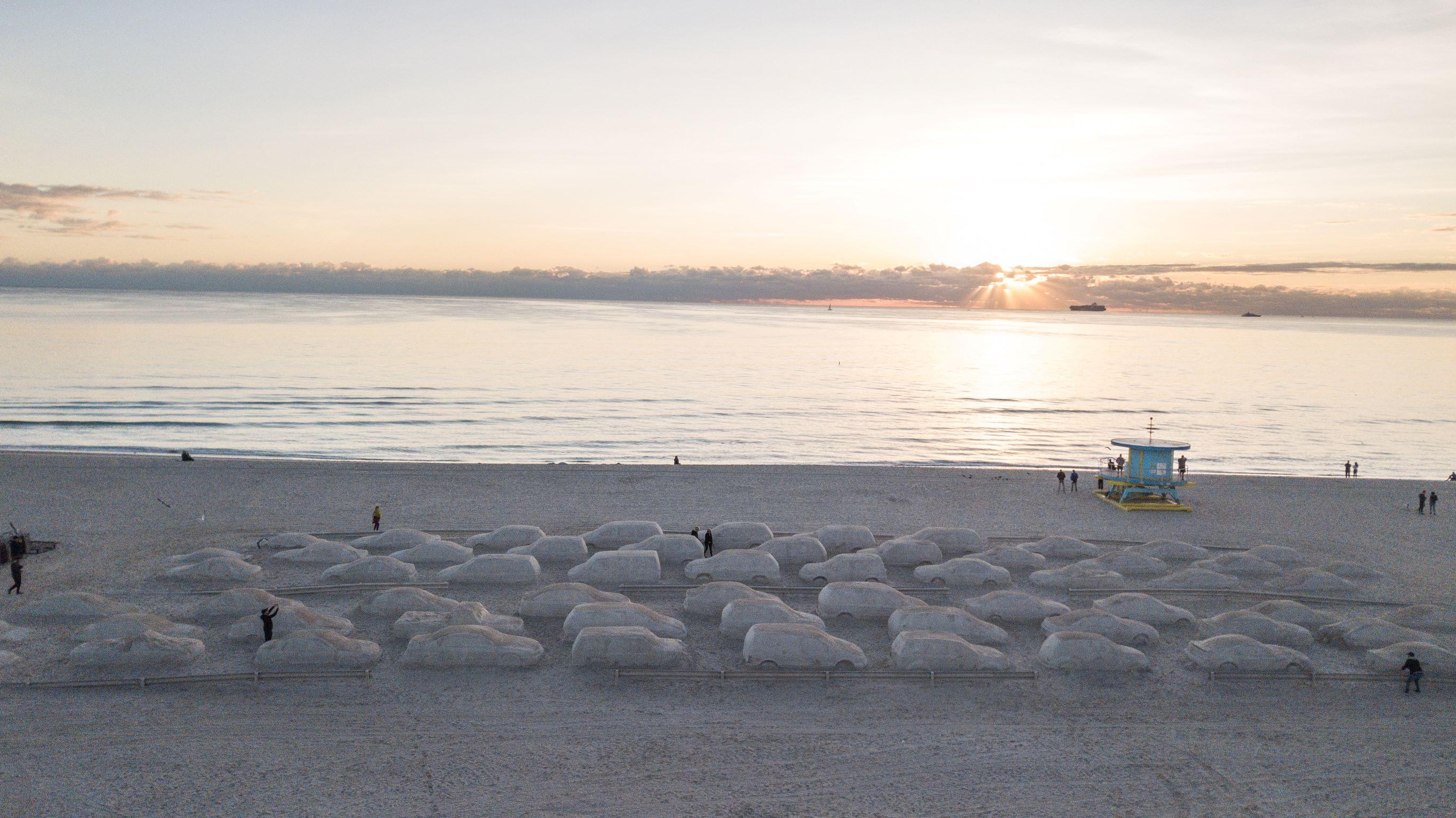
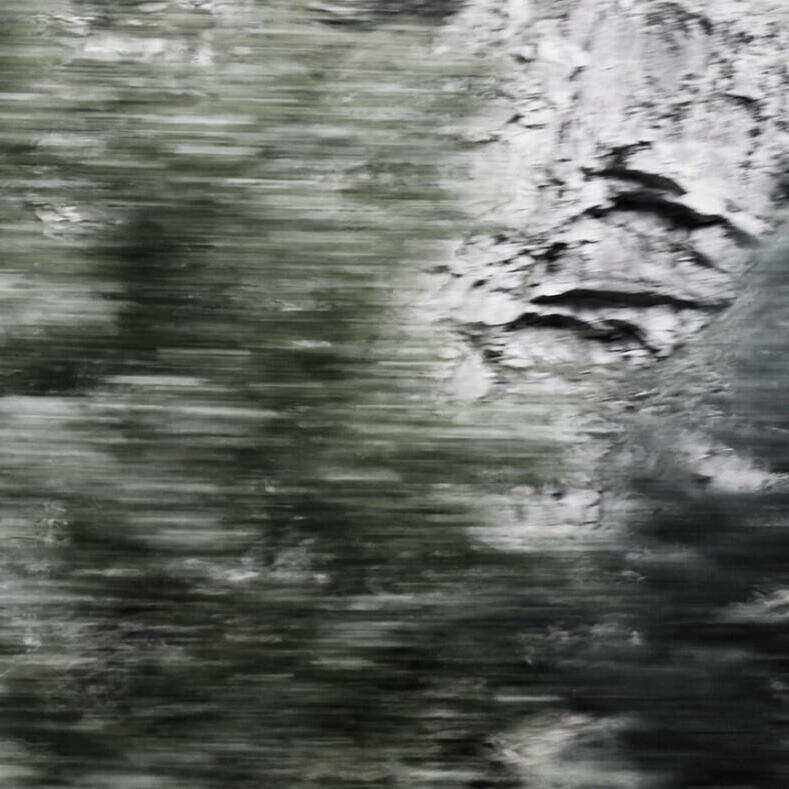
Yukinori Yanagi is known for his exploration of social and political themes such as nationhood, power, and memory, creating works that reveal the contradictions and instabilities embedded within structural systems. Utilizing materials that embody the passage of time and traces of existence—such as ants, sand, and discarded objects—his works often incorporate the process of change itself as a central element.
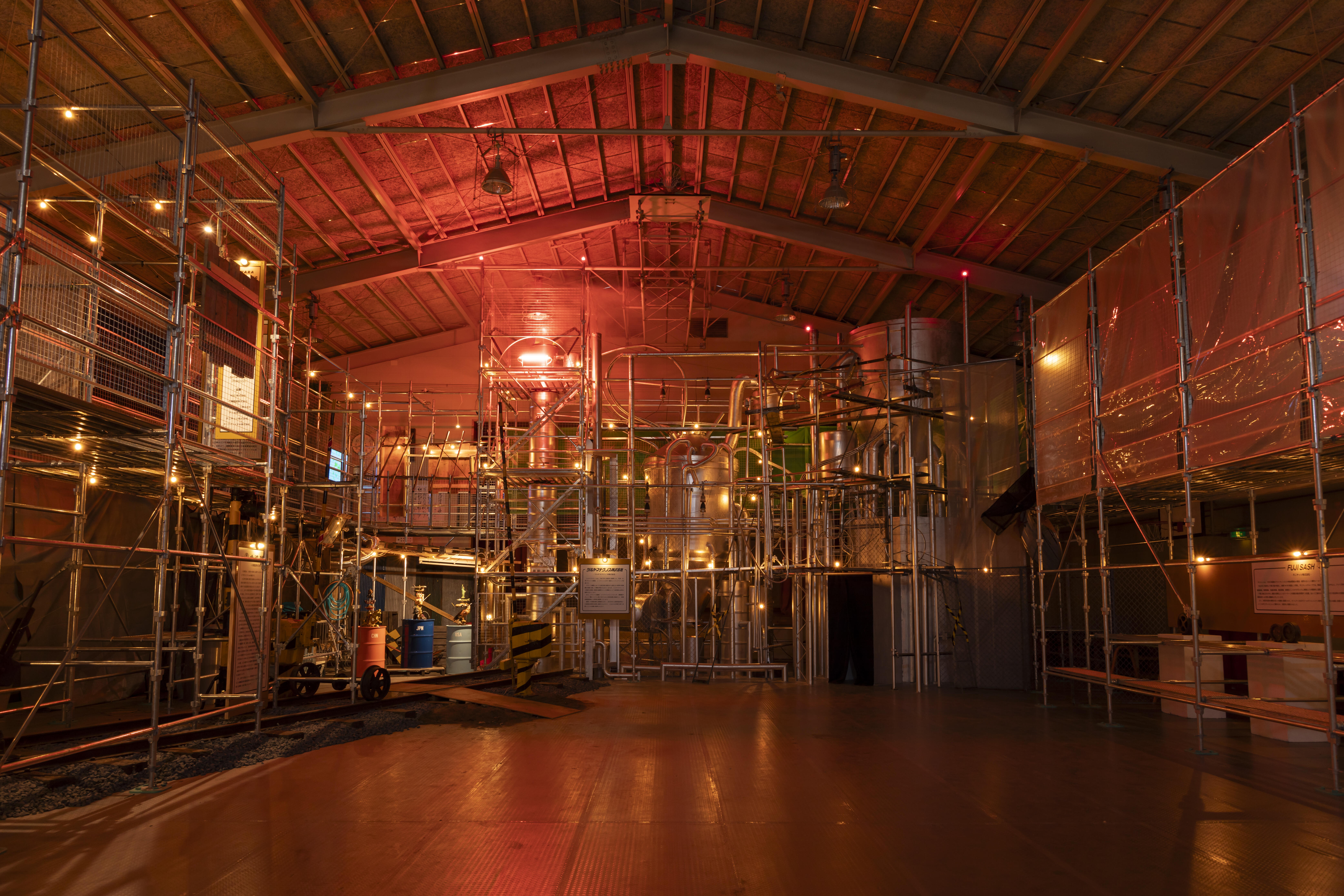
In recent years, Yanagi has also focused on site-specific projects rooted in local contexts, engaging in dialogue with industrial ruins and natural environments. Through these endeavors, he continues to question the relationship between art and society.

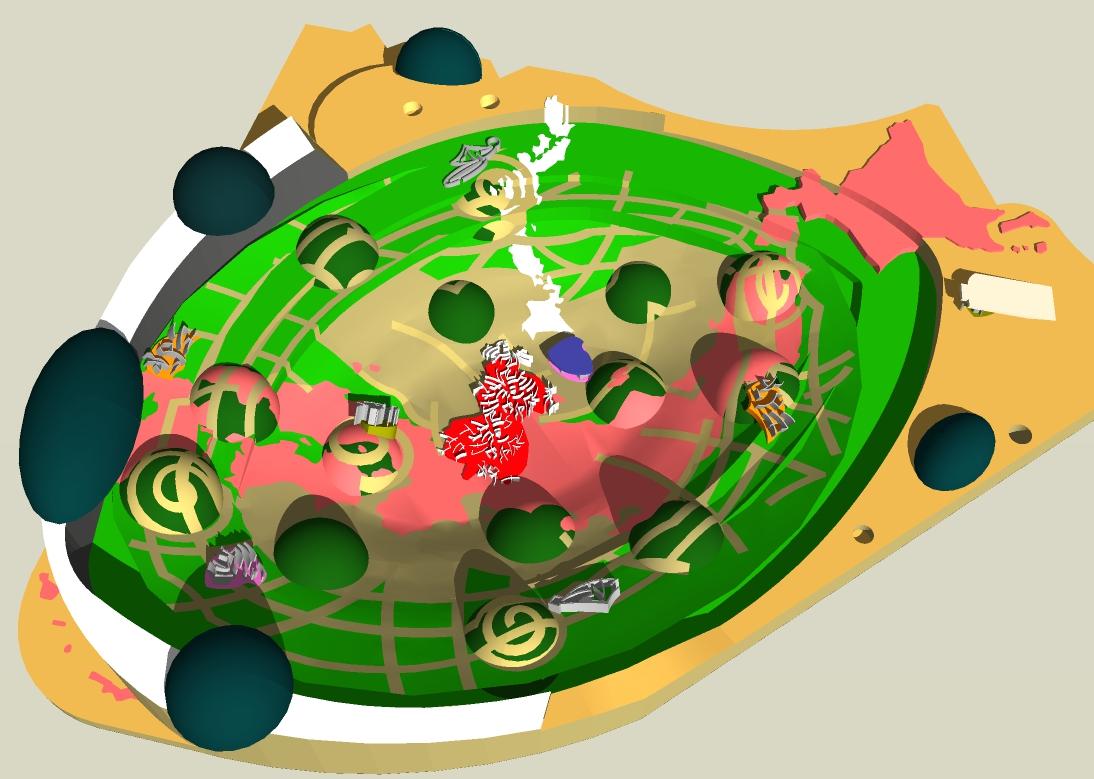
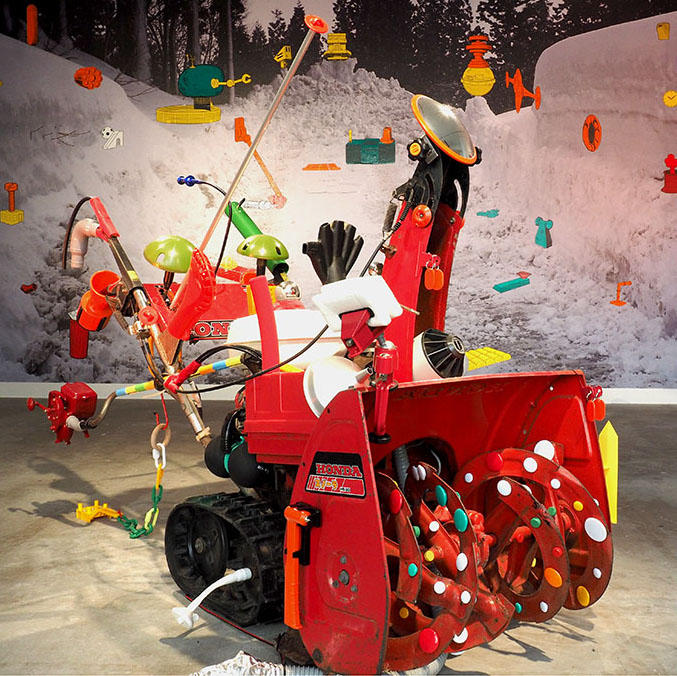
Yukinori Yanagi / from《HI NO MARU》series / 1991、840 x 620 mm / lithograph, embossing, collage
Related News


![[Art Fair] ART SG 2025 in Singapore](https://artfrontgallery.com/whatsnew/assets_c/2024/12/Eko%20Nugroho_bubunn-thumb-961x961-12427.jpg)


![[Art Fair] Tokyo Gendai at Pacifico Yokohama, Japan](https://artfrontgallery.com/whatsnew/assets_c/2024/06/438730000_17953112558775269_1974529750606589364_n-thumb-512x640-12079.jpg)
![[ART FAIR] Art Fair Asia Fukuoka 2023, Japan](https://artfrontgallery.com/whatsnew/assets_c/2023/09/afafa-thumb-1712x1712-11458.jpg)
![[ART FAIR] Kiaf SEOUL 2023 / 키아프 서울 2023](https://artfrontgallery.com/whatsnew/assets_c/2023/09/kiaf-thumb-652x652-11457.jpg)
![[Art Fair] Tokyo Gendai at Pacifico Yokohama, Japan](https://artfrontgallery.com/whatsnew/assets_c/2023/06/main-thumb-957x957-11312.jpg)
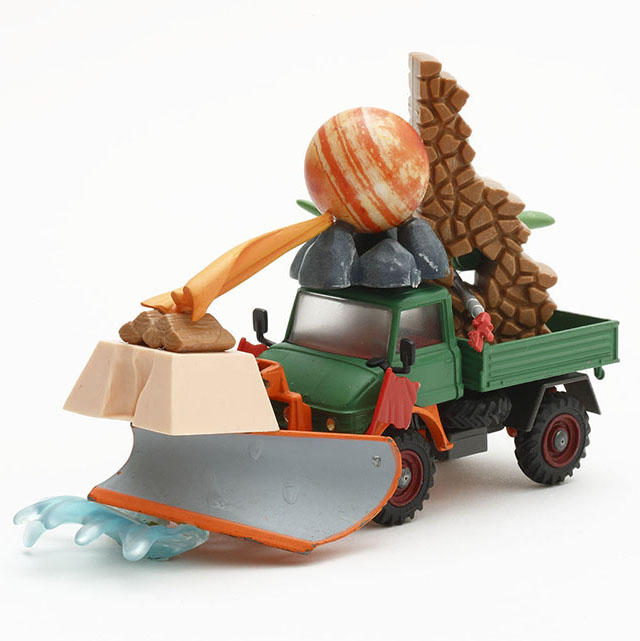
![[インタビュー] 金氏徹平:S.F.(Smoke and Fog)](https://artfrontgallery.com/whatsnew/assets_c/2021/10/E_DJoKIUUAEcgFo-thumb-1314x1051-9178.jpg)
![Iku Harada @ NTT InterCommunication Center [ICC], Tokyo](https://artfrontgallery.com/whatsnew/assets_c/2021/01/IMG_0011-thumb-960x960-8419.jpg)
![[Oct. 9] Art Front Selection 2020 autumn : Temporarily closed](https://artfrontgallery.com/whatsnew/assets_c/2020/10/3ebd832ad43ca0ffa8a63682bb49b2fe5258a439-thumb-2444x2444-8076.jpg)


Related Exhibition




Copyright © 2025 ART FRONT GALLERY Co., Ltd.
All Rights Reserved.